

3 Ways to Be More Mindful Every Day
Are you ready to feel more aware, caring and mindful?
Do you want to appreciate the spring flowers, savor that fresh cup of coffee, or be fully present with others?
Instead, you find yourself distracted in the moment, either internally by the cascading river of thoughts, or externally by demands from traffic, job, family, smartphone… in other words, the chaos of life.
What if there was a way to step into the silence even if only for a moment?

Are you ready to feel more aware, caring and mindful?
Do you want to appreciate the spring flowers, savor that fresh cup of coffee, or be fully present with others?
But instead, you find yourself distracted in the moment, either internally by the cascading river of thoughts, or externally by demands from traffic, job, family, smartphone… In other words, the chaos of life.
What if there was a way to step into the silence even if only for a moment?
Of course the best way to do this is through meditation, having a daily practice, (click here to get started).
AND by taking that essence out into the world and living it.
Here are three ways to bring mindfulness into your every day:
1. Intend Your Day
Every morning when you wake up, decide how you want your day to be.
Happy? Disappointing? Exciting? Frustrating?
Take a moment to envision it.
What will you do? How will it progress? Will it be easy or hard?
Intentionally or unintentionally, you decide how you want your day to be from the moment it starts.
Infuse this time with clarity, with mindfulness, with right thinking. So that your day can reflect exactly what you want.
I like to use affirmation to support my visioning.
“I see myself vibrant and healthy, engaged and creative. I know I will live this day to the fullest and savor every moment of it.”
2. Cultivate Appreciation
Appreciation is perspective.
Appreciation is noticing all the little things in life that are working, going well, successful. It’s recognizing the love you feel for your husband, and appreciating the bond you have. It’s honoring your body, and having gratitude for it’s incredible capacity to heal and support you. It’s recognizing all the abundance and beauty that surrounds you in every moment.
When I lived in Hong Kong, a very busy, dirty (and smelly!) city, most evenings as I boarded the ferry to head home, I’d gaze out at the shimmering harbor that perfectly reflected the sun setting across the skyscrapers. Sheer beauty.
It’s even about appreciating the hard things in life as lessons to be learned or challenges to overcome.
3. Return to Now
If you find yourself distracted during the day by the chatter in your head, take a deep breath and come back to now.
I have a very active mind so it is common that as I do a task or listen to someone, a voice offers ongoing commentary in my mind.
Nowadays this voice is quieter and I’m able to more easily silence it.
But the first step is to become aware of this mind habit. “Oh look, I’ve just gone down the rabbit hole and am miles away, thinking about my trip to Hawaii instead of here sitting at the table with you.”
When this happens, take a deep breath, oxygenate yourself and re-focus. Listen to your friend in the here and now, finish that assignment, close the deal.
Mindfulness is really about mind training and creating new habits. Use these three tools to help you build those muscles and experience more happiness, gratitude and love in every moment.
What will you do?
I'd love to hear which one of these resonates with you? Leave me a comment below ~ I'll see you there!
Want more inspiring content like this every week? Sign up today!

Quit the Diet and Eat Mindfully: 5 Ways to Start Today
We all know diets don’t work. So why do we keep doing them?
Study after study proves people who diet gain back all the weight they lost and often gain even more. Now even neuroscience is confirming this.
Diets are a form of deprivation that our brains respond to by thinking we are starving and then slowing our metabolism rates which is why we plateau and don’t lose more weight.
I stopped dieting over twenty years ago.
We all know diets don’t work. So why do we keep doing them?

Study after study proves people who diet gain back all the weight they lost and often gain even more. Now even neuroscience is confirming this.
Diets are a form of deprivation that our brains respond to by thinking we are starving and then slowing our metabolism rates which is why we plateau and don’t lose more weight.
I stopped dieting over twenty years ago.
In fact, I never even weigh myself. For most of my childhood, adolescence and into my twenties, I was an emotional binge eater. Whenever I felt anxiety, fear, stress or depression, I ate.
Throughout those years, I dieted almost non-stop and often did punishing exercise routines. My weight constantly fluctuated, mostly upwards. I weighed anywhere between thirty to fifty pounds more than I do now.
When I decided to stop dieting, I was faced with redefining my relationship with food. That was the only way I was going to heal myself.
And I did that by learning how to eat mindfully.
If, like me, you’ve realized that diets don’t work and it’s time to create a new relationship with food, here are 5 ways to get started today.
1. Ground Into Your Body
Allow yourself to experience your physical self. I know this may be scary. For me, my body was the enemy – fat and embarrassing. I pretended it didn’t exist. Yet it did. I was walking around in it everyday.
Allow your awareness to come down into your body. Feel it. Be in it. Breathe love into your physical body and ground yourself in the here and now.
2. Check In
Once you’ve come down from your thoughts and feelings and into your physical body, ask yourself: Am I actually feeling physically hungry or do I just want to eat?
I used to eat so I didn’t have to feel negative emotions or deal with the stress of life.
As you check in, you are able to respond rather than react.
Maybe you aren’t really hungry but feel totally paralyzed with fear about what’s on the To-Do List. What can you do instead of eating?
Often, I go for a walk, talk to a friend, do artwork or take action of some kind.
3. Slow Down
After you’ve checked in with your body and discovered that you really are physically hungry, the next question is: What do I want to eat? What does my body need?
When you’ve decided what that is and have it ready, sit down.
Inhale the aroma. Take a bite and savor it.
Focus only on eating and allow yourself to be fully present, no distractions. No videos, movies, TV, social media or email. Take your time and fully enjoy this moment of eating.
4. Thoughts
Pay attention to your thoughts while you’re eating. What are you saying to yourself? Are they kind words or unkind ones? Is the food pushing away fearful thoughts or are you congratulating yourself?
Allow yourself to hear those words – good or bad. Hearing them is the first step in healing them.
5. Judgment
Now that you’ve become aware of your thoughts, start keeping track. How many of them are judgments?
Things like: I can’t believe how fast I ate. I looked so bad on those pants. What’s wrong with me that I have this problem?
What steps could you take to stop judging yourself? What might that sound like instead?
Maybe the absence of judgment is silence or positive statements. Words such as: good job waiting until you were hungry to eat. Way to go on completing that project that was stressing you out. Your hair looks pretty today.
Judgment only hurts.
Mindfulness is about being in this moment, and allowing yourself to be fully present. Even if there is anxiety or discomfort. That means being in our bodies and in our heads, becoming like thought gardeners, vigilantly weeding out the negative ones.
Paying attention to your body and mind is the key to healthy eating habits, a positive mindset and a happy life. Use these tools and you’ll be well on your way to healing and health.
Are you ready? Tell me what you think below!
Want more like this?
Sign up for my FREE Weekly Email Today!

Living Stress Free: 7 Habits for a Life Filled with Peace & Joy
Feeling stressed?
You’re not alone!
Most everyone struggles with managing life in this highly connected, 24/7 world. And, if you’re anything like me, you may have never learned healthy coping skills for stress.
Over the years, I’ve learned to incorporate these seven habits. Since then, my life works better, I’m less crazed and more productive.
So instead of coming home and drinking a 6-pack of beer, or vegging out in front of the TV, consider incorporating some of these into your life.
1. Breathing
My #1 rule to live by is breathing.
Of course you breathe all the time (or you’d be dead!) But when you can focus on your breath – and take a few nice, deep breaths, it will instantly transform your moment. Suddenly you’ll feel more expansive. Breathing with awareness slows down the whirling thoughts and offers room for clarity.
Breathing always comes before I make any shifts or changes.
I stop, breathe and then take action.
2. Visualize It
I believe that the Universe is always supporting us and providing us with what we need. Unfortunately, we’re often unclear about what we DO want or are accidentally giving the Universe messages of things we don’t want.
We constantly telegraph our desires – consciously and unconsciously- to the Universe with our thoughts, intentions, imagery and words.
When you find yourself in a stressful situation, pause for a moment and visualize the outcome you actually want.
- Is it to have plenty of time to get your tasks done?
- Maybe there’s a grievance that needs to be resolved easily and effortlessly – picture that.
- Perhaps you want a specific outcome. Instead of thinking about what you don’t want to happen, try seeing what you do want – as if it’s already done.

Feeling stressed?
You’re not alone!
Most everyone struggles with managing life in this highly connected, 24/7 world. And, if you’re anything like me, you may have never learned healthy coping skills for stress.
Over the years, I’ve learned to incorporate these seven habits. Since then, my life works better, I’m less crazed and more productive.
So instead of coming home and drinking a 6-pack of beer, or vegging out in front of the TV, consider incorporating some of these into your life.
1. Breathing
My #1 rule to live by is breathing.
Of course you breathe all the time (or you’d be dead!) But when you can focus on your breath – and take a few nice, deep breaths, it will instantly transform your moment. Suddenly you’ll feel more expansive. Breathing with awareness slows down the whirling thoughts and offers room for clarity.
Breathing always comes before I make any shifts or changes.
I stop, breathe and then take action.
2. Visualize It
I believe that the Universe is always supporting us and providing us with what we need. Unfortunately, we’re often unclear about what we DO want or are accidentally giving the Universe messages of things we don’t want.
We constantly telegraph our desires – consciously and unconsciously- to the Universe with our thoughts, intentions, imagery and words.
When you find yourself in a stressful situation, pause for a moment and visualize the outcome you actually want.
- Is it to have plenty of time to get your tasks done?
- Maybe there’s a grievance that needs to be resolved easily and effortlessly – picture that.
- Perhaps you want a specific outcome. Instead of thinking about what you don’t want to happen, try seeing what you do want – as if it’s already done.
3. Be a Thought Gardener
We’re always thinking.
Unfortunately so many of those thoughts are negative or are unconscious. Things such as:
- “I should have remembered to…”
- “Wow, my hair looks terrible today.”
- “I messed up that one part of my presentation…”
Make the decision to have kind and positive thoughts – about yourself, your work and home life.
A simple way to incorporate this is to utilize affirmations.
- I easily and effortlessly get the job done.
- I am beautiful today.
- I am smart and conscientious.
Positive thoughts are uplifting and help us be more productive and feel less stressed.
4. Have Healthy Boundaries
It can be hard to say NO but this is a really important step in order to take care of yourself.
The ability to say NO is directly related to boundaries.
Are you okay with taking on this project or do you already have too much to do?
Do you need more help at home because suddenly all the chores have fallen into your lap?
Another way to explore boundaries is to identify people and situations that are stress triggers.
As much as possible, eliminate these. If you can’t, see if maybe you can adjust how you show up.
For example, if watching the news before bed makes you anxious and then it’s hard to fall asleep, watch something else, read, play a game or do some deep breathing.
Is there a particular person who makes your blood pressure spike? Can you avoid seeing her? If not, how can you limit your exposure?
5. Meditation – Start a Daily Practice
This can be as simple as 5 minutes in the morning. Meditating first thing will set your day and infuse you with energy, clarity and peace.
There are now apps designed to help you start a practice. They offer guidance, music, timers and reminders for you to come back to your practice. Some are free and some are not. For a list of 17, click here.
6. Schedule FUN
This should probably be #1! As adults, it’s so easy to fall into the serious trap. Life is all about business, things are important and weighty but it’s crucial for our mental health, youthfulness and creativity to incorporate fun into our schedules.
Fun is rejuvenating and actually feeds us.
After an afternoon at the beach or a night at the comedy club, you’ll be surprised at how much easier it is to work. We have to give ourselves fun time – all work and no play makes Jack a dull boy (not to mention grouchy and uptight!)
What does fun look like to you?
7. Self Care
For many of us this can be hard – especially if we’re programmed as givers or care takers. We can falsely interpret this as selfish but here’s the thing;
You can’t give to others (pour from the pitcher) if there isn’t anything to give.
We have to replenish the pitcher in order to give!
What does self care look like to you? Is it curling up with a good book? Getting a massage? Treating yourself to takeout or a movie night?
Make a list of things that feel good to you, are relaxing and rejuvenating.
Try incorporating these 7 habits and bring more peace and joy into your life. We can use the tasks and work in our lives to propel us ahead and inspire us or it can overwhelm us and stress us out.
By incorporating these ideas, see if life suddenly feels easier and a bit more enjoyable!
Let me know how it goes!
Leave me a comment below OR feel free to share this article!
Click the share button right by the comment area!
And be sure to get my blogs in your Wednesday Inbox today - FREE.
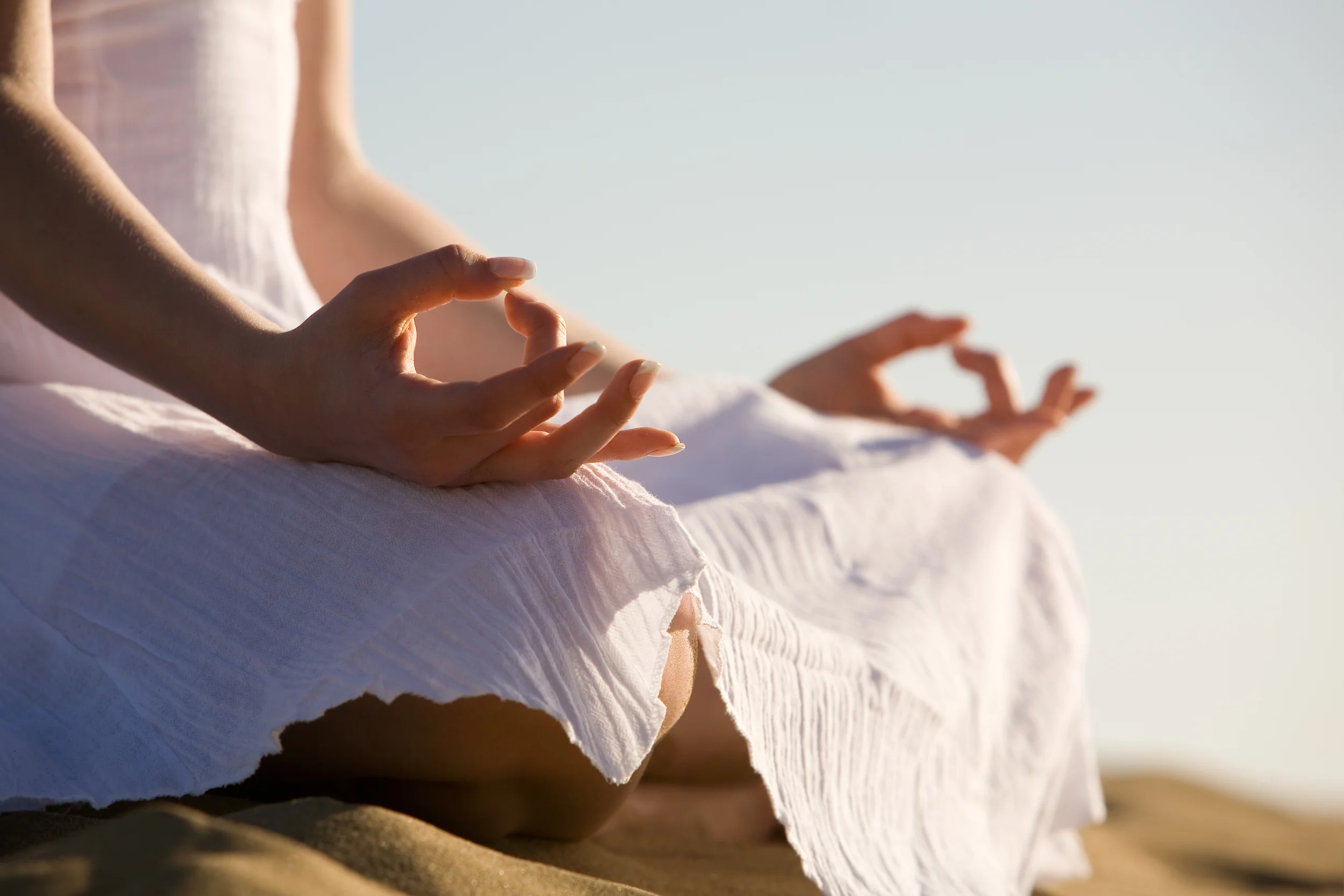
The Power of Presence: Daily Mindfulness
We hear a lot about being mindful not just within spiritual circles but more and more in the work place.
What exactly is mindfulness?
Mindfulness stated simply is awareness of the present or the ability to be present in all aspects of our lives.
It’s a honing of the mind to focus on what is happening right now.
Since the 1970s, there’s been a growing recognition and movement towards embracing mindfulness.
This is due in large part to the many Buddhists teachers who have come to the United States over the past few decades as well as the American practitioner, Jon Kabat-Zinn, who began teaching mindfulness courses in 1979.
The first time I recognized mindfulness occurring in my life was shortly after I met my first husband. He’s from Bali and since he's Hindu, learned meditation at a young age.
Part of what had attracted me to him in the first place was his calm demeanor and indefatigable kindness.
The day I noticed his mindfulness in action, we were in Indonesia visiting his family.

There's a lot of talk about mindfulness not just within spiritual circles but more and more in the work place.
What exactly is mindfulness?
Mindfulness stated simply is awareness of the present or the ability to be present in all aspects of our lives.
It’s a honing of the mind to focus on what's happening right now.
Since the 1970s, there’s been a growing recognition and movement towards embracing mindfulness in the United States.
This is due in large part to the many Buddhists teachers who have come here over the past few decades as well as the American practitioner, Jon Kabat-Zinn, who began teaching mindfulness courses in 1979.
The first time I recognized mindfulness occurring in my life was shortly after I met my first husband. He’s from Bali and since he's Hindu, learned meditation at a young age.
Part of what had attracted me to him in the first place was his calm demeanor and indefatigable kindness.
The day I noticed his mindfulness in action, we were in Indonesia visiting his family.
We’d rented a van to take his extended family on a picnic in the mountains. I looked over at him and suddenly realized that the only thing he was doing in that moment was driving.
He wasn’t thinking about the party last night.
He wasn’t going over the stuff he’d packed, making sure he’d remembered everything.
Nor was he distracted by the conversation in the back seat.
He was just driving, focusing on the vehicle, and the road ahead. He was 100% present in that moment to his task- present and focused.
I resolved then that I wanted to develop this quality.
And I discovered that mindfulness is achieved through meditation and the internal gardening of our thoughts.
Here’s what’s helped me develop a practice of mindfulness:
1. Meditation
I started meditating 20 years ago. I still meditate today because it feels so good to release the stress of the world. It helps me remember that there is more going on than the chaos that circles around me.
I sit in silent meditation because it provides me with solace and connecting to infinite source feeds me. I meditate to remember my essential nature. Finally, I sit to bring myself into the now and that helps me bring the silence, serenity and clarity into my working day.
2. Mining the Mind
I like to think of myself as a gardener of my mind. I pluck out all the thoughts that distract me or are taking me out of the present moment.
I also pull out the thoughts (like weeds) that are harmful to me or remind me of old stories and ancient beliefs about limitation and lack that are no longer true for me.
3. Coming Fully Into My Body
Being grounded in my physical body helps me experience the here and now.
I can feel where I am- the sun on my face, the wind whipping around me. I see where I am- the trees bordering the road, the faces of people walking by. I hear the world around me- the birds chirping, the trucks rumbling, children laughing.
Being in my body allows me to fully experience life.
Life is only happening right now, in this moment.
When we leave the moment by getting distracted by our thoughts, we lose the opportunity to experience what it feels to really be alive. We can easily get caught fixating about a past hurt or worrying about a future concern.
But when we can bring our focus back to this moment, we have the opportunity to heal.
Consider starting your mindfulness practice today.
Find a comfortable spot in your home where you can sit for just five minutes in the morning. Focus on your breath coming in and out.
I like to count to 11. Inhaling 1, exhaling 2 until I get to 11 and then starting over.
If you lose track, start over at 1. Before you know it, your timer will be ringing. You’ll be surprised at how quickly 5 minutes flies by!
As you commit to this daily practice of meditation, it will help you be able to listen to your mind and hear the way you speak to yourself.
Then you can decide what thoughts you want to keep and ones that need to be pulled out. And it will help you experience a greater sense of presence in your body.