

Optimist? Pessimist? Try Realist
No doubt at some point in your life, you’ve been asked if the glass is half empty or half full. Invariably, the answer to that question implies that you’re either an optimist or a pessimist. Right?
But is there another way to see?
To out myself, I confess that I’m naturally inclined towards optimism. This is a bit surprising considering that I was raised in a house full of pessimists.
My parents wanted proof, evidence of why things existed, of how it would work out. Their view was that life was difficult, painful and my job was to suck it up and got on with things.
Maybe it’s because I have difficulty with duality and its need for binary opposites but somewhere in my 20s, I decided that I didn’t really like either of those definitions.
There had to be another option, something that combined both viewpoints.
Optimists often get a bad rap and that’s happened to me plenty in life.
You get called an optimist and really it’s a more polite way of saying you’re unrealistic, a Pollyanna or simply out of touch. But healthy optimism is also about seeing the possibilities of the future and about being hopeful and excited about what can be.
Pessimists certainly have the market cornered on successful arguing and banter.
Most intellectuals I know fall into this category. It’s smart and savvy to analyze and pick things apart, exposing the flaws.
Some pessimists though fall into the category of fatalists. These are the Debbie Downers who never see anything good, always say life is bleak and meaningless and can be draining to be around for any period of time.
What’s the third way?

No doubt at some point in your life, you’ve been asked if the glass is half empty or half full. Invariably, the answer to that question implies that you’re either an optimist or a pessimist. Right?
But is there another way to see?
To out myself, I confess that I’m naturally inclined towards optimism. This is a bit surprising considering that I was raised in a house full of pessimists.
My parents wanted proof, evidence of why things existed, of how it would work out. Their view was that life was difficult, painful and my job was to suck it up and got on with things.
Maybe it’s because I have difficulty with duality and its need for binary opposites but somewhere in my 20s, I decided that I didn’t really like either of those definitions.
There had to be another option, something that combined both viewpoints.
Optimists often get a bad rap and that’s happened to me plenty in life.
You get called an optimist and really it’s a more polite way of saying you’re unrealistic, a Pollyanna or simply out of touch. But healthy optimism is also about seeing the possibilities of the future and about being hopeful and excited about what can be.
Pessimists certainly have the market cornered on successful arguing and banter.
Most intellectuals I know fall into this category. It’s smart and savvy to analyze and pick things apart, exposing the flaws.
Some pessimists though fall into the category of fatalists. These are the Debbie Downers who never see anything good, always say life is bleak and meaningless and can be draining to be around for any period of time.
What’s the third way?
I decided it was realism.
Realism is looking at the situation for what it is – not for what I may want it to be or for all the potential awful things it could be- but for what it actually is.
In researching this, I’ve come to learn that we can actually see optimism and pessimism as being on either end of a continuum with realism smack in the center.
Thinking like this affords us many different views (rather than just three) because there are gradations of both optimism and pessimism. So, in essence, we can be an optimist, an optimistic realist, a realist, a pessimistic realist or a pessimist. Lots of choices!
What’s exciting about thinking on a continuum is that it’s fluid.
We don’t have to put ourselves in a box.
With these new labels, I’d categorize myself as an optimistic realist. And what I mean by that is I set goals and intentions, getting clear about what I want and where I want to go.
But I don’t just expect it to happen without putting some work and effort into it. I also recognize that there are limitations and challenges. I try to look at the situation from a holistic perspective.
Here’s an example of something happening in my life.
I’m currently working on a book project. Like any big venture, it takes time, planning, dedication, and effort. I can’t simply hope that the work will get done or wish it into being.
I have to set my intention of completing it and getting it published which means I have to write it, find an agent and get it published. All of that is tremendously time consuming and scary!
If I were a pessimist, I’d listen to the negative voice in my head telling me. “Who do you think you are to write a book?” and then I’d never sit down to write.
And if I exclusively listened to the optimist, “it’s all great and magical” then I might not put in the time. Instead, I want to see a positive outcome (optimist) while recognizing that I actually have to sit down and get it done (realist).
By viewing my life, challenges or the future through this lens, it helps me move forward without ignoring the aspects I may not want to see, such as how things may be hard or difficult. But it also enables me to stay focused on what I do want and to hold that space in a more grounded, genuine way.
How do you look at the world?
Does it work for you or are you ready to see through another lens on the spectrum?
Tell me your story by commenting below.
And feel free to share my article with anyone who might relate!
Sign up today to receive my blog in YOUR inbox FREE!

Living Stress Free: 7 Habits for a Life Filled with Peace & Joy
Feeling stressed?
You’re not alone!
Most everyone struggles with managing life in this highly connected, 24/7 world. And, if you’re anything like me, you may have never learned healthy coping skills for stress.
Over the years, I’ve learned to incorporate these seven habits. Since then, my life works better, I’m less crazed and more productive.
So instead of coming home and drinking a 6-pack of beer, or vegging out in front of the TV, consider incorporating some of these into your life.
1. Breathing
My #1 rule to live by is breathing.
Of course you breathe all the time (or you’d be dead!) But when you can focus on your breath – and take a few nice, deep breaths, it will instantly transform your moment. Suddenly you’ll feel more expansive. Breathing with awareness slows down the whirling thoughts and offers room for clarity.
Breathing always comes before I make any shifts or changes.
I stop, breathe and then take action.
2. Visualize It
I believe that the Universe is always supporting us and providing us with what we need. Unfortunately, we’re often unclear about what we DO want or are accidentally giving the Universe messages of things we don’t want.
We constantly telegraph our desires – consciously and unconsciously- to the Universe with our thoughts, intentions, imagery and words.
When you find yourself in a stressful situation, pause for a moment and visualize the outcome you actually want.
- Is it to have plenty of time to get your tasks done?
- Maybe there’s a grievance that needs to be resolved easily and effortlessly – picture that.
- Perhaps you want a specific outcome. Instead of thinking about what you don’t want to happen, try seeing what you do want – as if it’s already done.

Feeling stressed?
You’re not alone!
Most everyone struggles with managing life in this highly connected, 24/7 world. And, if you’re anything like me, you may have never learned healthy coping skills for stress.
Over the years, I’ve learned to incorporate these seven habits. Since then, my life works better, I’m less crazed and more productive.
So instead of coming home and drinking a 6-pack of beer, or vegging out in front of the TV, consider incorporating some of these into your life.
1. Breathing
My #1 rule to live by is breathing.
Of course you breathe all the time (or you’d be dead!) But when you can focus on your breath – and take a few nice, deep breaths, it will instantly transform your moment. Suddenly you’ll feel more expansive. Breathing with awareness slows down the whirling thoughts and offers room for clarity.
Breathing always comes before I make any shifts or changes.
I stop, breathe and then take action.
2. Visualize It
I believe that the Universe is always supporting us and providing us with what we need. Unfortunately, we’re often unclear about what we DO want or are accidentally giving the Universe messages of things we don’t want.
We constantly telegraph our desires – consciously and unconsciously- to the Universe with our thoughts, intentions, imagery and words.
When you find yourself in a stressful situation, pause for a moment and visualize the outcome you actually want.
- Is it to have plenty of time to get your tasks done?
- Maybe there’s a grievance that needs to be resolved easily and effortlessly – picture that.
- Perhaps you want a specific outcome. Instead of thinking about what you don’t want to happen, try seeing what you do want – as if it’s already done.
3. Be a Thought Gardener
We’re always thinking.
Unfortunately so many of those thoughts are negative or are unconscious. Things such as:
- “I should have remembered to…”
- “Wow, my hair looks terrible today.”
- “I messed up that one part of my presentation…”
Make the decision to have kind and positive thoughts – about yourself, your work and home life.
A simple way to incorporate this is to utilize affirmations.
- I easily and effortlessly get the job done.
- I am beautiful today.
- I am smart and conscientious.
Positive thoughts are uplifting and help us be more productive and feel less stressed.
4. Have Healthy Boundaries
It can be hard to say NO but this is a really important step in order to take care of yourself.
The ability to say NO is directly related to boundaries.
Are you okay with taking on this project or do you already have too much to do?
Do you need more help at home because suddenly all the chores have fallen into your lap?
Another way to explore boundaries is to identify people and situations that are stress triggers.
As much as possible, eliminate these. If you can’t, see if maybe you can adjust how you show up.
For example, if watching the news before bed makes you anxious and then it’s hard to fall asleep, watch something else, read, play a game or do some deep breathing.
Is there a particular person who makes your blood pressure spike? Can you avoid seeing her? If not, how can you limit your exposure?
5. Meditation – Start a Daily Practice
This can be as simple as 5 minutes in the morning. Meditating first thing will set your day and infuse you with energy, clarity and peace.
There are now apps designed to help you start a practice. They offer guidance, music, timers and reminders for you to come back to your practice. Some are free and some are not. For a list of 17, click here.
6. Schedule FUN
This should probably be #1! As adults, it’s so easy to fall into the serious trap. Life is all about business, things are important and weighty but it’s crucial for our mental health, youthfulness and creativity to incorporate fun into our schedules.
Fun is rejuvenating and actually feeds us.
After an afternoon at the beach or a night at the comedy club, you’ll be surprised at how much easier it is to work. We have to give ourselves fun time – all work and no play makes Jack a dull boy (not to mention grouchy and uptight!)
What does fun look like to you?
7. Self Care
For many of us this can be hard – especially if we’re programmed as givers or care takers. We can falsely interpret this as selfish but here’s the thing;
You can’t give to others (pour from the pitcher) if there isn’t anything to give.
We have to replenish the pitcher in order to give!
What does self care look like to you? Is it curling up with a good book? Getting a massage? Treating yourself to takeout or a movie night?
Make a list of things that feel good to you, are relaxing and rejuvenating.
Try incorporating these 7 habits and bring more peace and joy into your life. We can use the tasks and work in our lives to propel us ahead and inspire us or it can overwhelm us and stress us out.
By incorporating these ideas, see if life suddenly feels easier and a bit more enjoyable!
Let me know how it goes!
Leave me a comment below OR feel free to share this article!
Click the share button right by the comment area!
And be sure to get my blogs in your Wednesday Inbox today - FREE.

Are You Off Course? 3 Easy Ways To Get Back On Track
Has this ever happened to you?
You’re cruising along in your life. Business is good, your days are fulfilling. You’re physically strong, energized and healthy. You’re accomplishing a lot. In fact, getting stuff done is almost effortless! The relationships in your life are solid and secure. Life feels joyous. You’re happy and in the flow.
Then, all of a sudden, something happens and kapow! Everything comes to a screeching halt.
Maybe you get physically sick and can’t get out of bed for two weeks. Perhaps you lose a major client and it sends you into a tailspin. But suddenly, you’re out of the flow. Now life feels hard.
Where did that energy, that desire, the mojo go?
In the vantage point of this new lackluster place, your old “productive” self feels like a dream.
Has this ever happened to you?

You’re cruising along in your life. Business is good, your days feel successful and fulfilling. You’re physically strong, energized and healthy. You’re accomplishing a lot. In fact, getting stuff done is almost effortless! The relationships in your life are solid and secure. Life feels joyous. You’re happy and in the flow.
Then, all of a sudden, something happens and kapow! Everything comes to a screeching halt.
Maybe you get physically sick and can’t get out of bed for two weeks. Perhaps you lose a major client and it sends you into a tailspin. But suddenly, you’re out of the flow. Now life feels hard.
Where did that energy, that desire, the mojo go?
In the vantage point of this new lackluster place, your old “productive” self feels like a dream.
If this sounds familiar, it’s because we can ALL relate. One of these scenarios occurs on and off throughout our lives in both small and huge ways. Maybe it’s a day of feeling off your game, maybe it’s six months.
I used to think, “when this issue is gone, it’ll be smooth sailing from here on out.” But then one day I realized, No. Life is always providing challenges for us to overcome and some of those are curveballs.
The question is, how do we get back into the game?
Here are 3 Ways that have really helped me get out of the funk and back into the flow.
1. Stop Judging
Part of what happens when I slip out of my groove is that I judge myself. Suddenly I feel less productive, less energetic, and a lot more apathetic.
When I judge that place, and make it wrong, it becomes much harder to move through it. However, if I can accept and acknowledge what it is - just a moment rather than a weakness – I am more easily able to step out of it.
2. Ease Back In
Think about yourself like a car – very few can go from 0 – 60 mph instantaneously. We have to regain that speed over time. Ask yourself, what’s the first thing I can do to resume my regular schedule?
If you usually run two miles a day, can you start with one mile or perhaps even a half a mile?
If you normally make 20 calls a day, how about starting with 5 or maybe even 10?
3. Recognize It For What It Is – Temporary
What we’re experiencing is simply a reset. All of us want to be going strong 24/7 but the reality is we cannot. Sometimes we need breaks.
Ask yourself : What does self-care look like to me?
Is it a calm walk, a relaxing bath, a quiet chat, uplifting music?
Incorporate self-care and ways to relax into your regular life. By scheduling these, you’ll likely be able to maintain your groove longer and more easily without getting blindsided.
But even when you do need a timeout – remember that it’s temporary and necessary.
Life is full of ups and downs.
It’s just that most of us like the ups more than the downs. But when we remember that it’s all part of the journey, we can accept those down times and embrace them for what they are – a reminder to go slower, a reset or time to stop and think.
When you find yourself in a down place, be gentle, remember it's only temporary and see if incorporating more self-care will enable you to move through it a bit more quickly.
How can YOU incorporate more self-care into your life?
What's the ONE thing you could do right now?
Tell me by leaving me a comment below! I'm always looking for new ways to enjoy life.
And join our growing community - sign up and get my blog in your inbox FREE
Moving From Fear to Love
Last week I was scheduled to make a brief speech in front of an audience of about 200 people. Normally, I enjoy speaking in public but sometimes it can make me a bit anxious.
And this turned out to be one of those times.
I woke Friday morning feeling my nerves racing around in my belly like fiery little sparks. I consciously worked at taking my mind off the event, focusing instead on my immediate tasks.
I had emails to write, phone calls to make. I wasn’t scheduled to speak until the afternoon, leaving for the venue around 4 pm.
At about 2:00, I quickly glanced through my emails and spotted one from a coaching client I currently have. Since January, he and I have been working on resolving an issue with one of his employees.
The employee was not doing a satisfactory job. Instead of firing him in January, my client chose to see if things could change and had spoken with the man on several occasions as well as given him two formal reviews.
None of his interventions had worked and recently he’d let the employee go.
My client had copied me his response to a recent email from this disgruntled employee.
As I read both what the employee had written as well as my client’s reply, my entire insides roiled. His former employee had refused to take any responsibility for being fired, was blaming my client and choosing to be a victim.
I was appalled but worse began feeling a panic run up my throat.

Last week I was scheduled to make a brief speech in front of an audience of about 200 people. Normally, I enjoy speaking in public but sometimes it can make me a bit anxious.
And this turned out to be one of those times.
I woke Friday morning feeling my nerves racing around in my belly like fiery little sparks.
I consciously worked at taking my mind off the event, focusing instead on my immediate tasks.
I had emails to write, phone calls to make. I wasn’t scheduled to speak until the afternoon, leaving for the venue around 4 pm.
At about 2:00, I quickly glanced through my emails and spotted one from a coaching client I currently have. Since January, he and I had been working on resolving an issue with one of his employees.
The employee was not doing a satisfactory job. Instead of firing him in January, my client chose to see if things could change and had spoken with the man on several occasions as well as given him two formal reviews.
None of his interventions had worked and recently he’d let the employee go.
My client had copied me his response to a recent email from this disgruntled employee.
As I read both what the employee had written as well as my client’s reply, my entire insides roiled.
His former employee had refused to take any responsibility for being fired, was blaming my client and choosing to be a victim.
I was appalled but worse began feeling a panic run up my throat.
I was angry about the timing – reading it right before my speech - and shocked by the level of physical discomfort I was feeling.
After all, the email wasn’t even addressed to me!
Why did criticism launched at someone else have this effect on me?
I got up from the chair wishing I hadn’t read the email and began pacing – trying to work through my discomfort and manage it so I could show up and speak from my heart later that afternoon.
I began using the tools I know – I breathed deeply in and out- calming myself down.
And as I did, I asked “Why is this upsetting me so much?”
The answer I received was that it was simply triggering all the times I’ve let an employee or customer go and been personally attacked, criticized or blamed.
I was astonished that someone’s unrelated words could have this great an effect on me.
After about 30 minutes, I got into my car needing to pick my daughter up from school. I kept breathing mindfully when I remembered the Course in Miracles lesson I’d read that morning.
Simply stated it reminded me that I am one with God.
I began saying this to myself over and over again. “I am one with God. I am one with God.” And as the words sank in, I felt a calm begin to permeate me. My affirmation morphed into “I am one with God. No one can hurt me.”
Then it hit me – by reading that email I’d fallen into fear.
It had triggered the place in me where I felt attacked and needed to defend myself and my client.
As Marianne Williamson suggests, I prayed for a miracle.
My miracle was to remind myself that I am one with God and no one can hurt me. She describes a miracle as a shift in perception from fear to love.
Well, you can guess what happened.
I even began to see the author of the original email (the disgruntled employee) as one with God. By the time I arrived at the auditorium, I was ready to be there – in my heart.
I no longer felt angry or wronged.
The event went off without a hitch and I participated in my small part, able to be fully present. I felt relief as well as immense gratitude for the opportunity to show up differently.
Instead of holding on to the fear, I was able to gracefully move through the emotional obstacle. I used the opportunity for growth and came out on the other side with humility and love.
Have you ever experienced something like this?
Share your story with me - leave a comment below!
And get my blog in YOUR inbox - FREE!
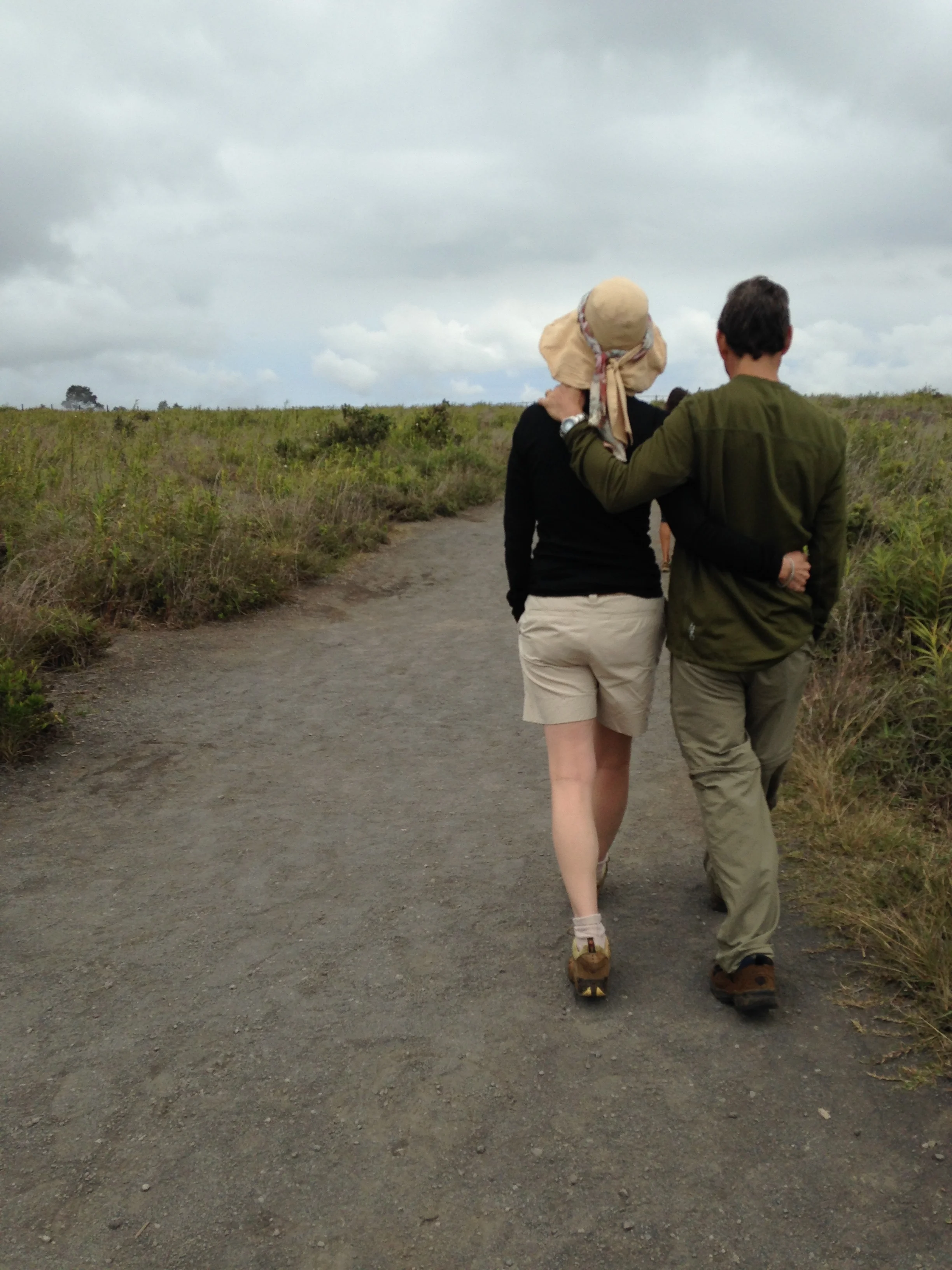
How Do You See Your Partner?
The other night I had dinner with a friend and she asked me about the agreements my husband and I had made when we decided our relationship would be different from anything either of us had ever had before.
Listening to her question, I was suddenly silent. Apart from the one I’d recently written about - - to not go to bed angry -- what were our other agreements?
Then I remembered the first one we made. It was shortly after we’d confessed our love to one another.
It began with a conversation.
“If we’re going to be together it has to be totally different from anything we’ve ever had before,” I’d offered. “So many relationships end up being about power or control and I don’t want that anymore.”
He’d agreed and added, “Most relationships are based on conditional love, too. The ‘you only love me because.’ Those end up being about tearing each other down.”
“Can’t there be another way? Another kind of relationship that lifts both people up?”
“Yeah,” he replied, “but it has to be about God first and about honoring the God within each other.”

The other night I had dinner with a friend.
She asked me about the agreements my husband and I had made when we decided our relationship would be different from anything either of us had ever had before.
Listening to her question, I was suddenly silent.
Apart from the one I’d recently written about - - to not go to bed angry -- what were our other agreements?
Then I remembered the first one we made.
It was shortly after we’d confessed our love to one another.
It began with a conversation.
“If we’re going to be together it has to be totally different from anything we’ve ever had before,” I’d offered. “So many relationships end up being about power or control and I don’t want that anymore.”
He’d agreed and added, “Most relationships are based on conditional love, too. The ‘you only love me because.’ Those end up being about tearing each other down.”
“Can’t there be another way? Another kind of relationship that lifts both people up?”
“Yeah,” he replied, “but it has to be about God first and about honoring the God within each other.”
Instantly I knew he was right. “That’s it!”
So what is that exactly, honoring the God within each other?
A simple way to think about it is the Hindi greeting, Namaste, commonly used across India but also often spoken amongst yoga practitioners in the United States.
Translated it means the divinity in me recognizes the divinity in you.
Honoring the God in one another is about appealing to the higher self in all of us, the one yearning to be seen, heard and acknowledged.
It’s about me rising into this space within myself and then seeing it in my partner and speaking to this aspect of him or her.
This kind of commitment is a relationship based on mutual love and respect. It’s wanting your partner to live her passion, and encouraging her to take leaps and risks when they feed her and move her toward fulfilling her dreams and happiness.
It’s giving your partner space to grow and evolve even if it means they leave you or aren’t always there for you.
This actually recently played out in my intimate relationship.
In 2004, my husband and I started a business together. After working side by side for a decade, I was ready to move on. I knew it was time for me to shift careers yet I felt bad about leaving him to run the business on his own.
He could have easily fed that guilty place in me and said things to trigger that.
Then I would have stayed because I love him and because I felt an obligation to him since we had started the business together.
Instead, he encouraged me to leave.
He was excited about what I was doing and the new direction my life was taking. It meant his life got harder initially, because it took time to fill the void I left. But he never wavered in his support of my new venture. Now, he’s happier than ever and so am I. My shift allowed him to step more fully into roles that he had shied away from too.
He chose to remember our agreement of honoring the higher self in each of us, the God.
He gave me both the room and the encouragement to follow my new path.
Change isn’t always easy, especially in our intimate relationships.
It causes us to shift too as we make room for the other person to unfold. Yet when we choose to honor each other and celebrate who we are, not only is it more fulfilling but energizing too.
Positive change brings new opportunities and enthusiasm, which can be contagious and inspiring. We all know how good it feels when we’re in our flow. We feel more alive, more present and more connected.
Isn’t that what we all want for ourselves and our loved ones?
Let me know what you think!
Can you honor your loved one from this place?
Write your comments just below!
I'm eager to see what you have to say!
Sign up to receive my blogs every Wednesday directly in YOUR inbox Free.

The Power of Presence: Daily Mindfulness
We hear a lot about being mindful not just within spiritual circles but more and more in the work place.
What exactly is mindfulness?
Mindfulness stated simply is awareness of the present or the ability to be present in all aspects of our lives.
It’s a honing of the mind to focus on what is happening right now.
Since the 1970s, there’s been a growing recognition and movement towards embracing mindfulness.
This is due in large part to the many Buddhists teachers who have come to the United States over the past few decades as well as the American practitioner, Jon Kabat-Zinn, who began teaching mindfulness courses in 1979.
The first time I recognized mindfulness occurring in my life was shortly after I met my first husband. He’s from Bali and since he's Hindu, learned meditation at a young age.
Part of what had attracted me to him in the first place was his calm demeanor and indefatigable kindness.
The day I noticed his mindfulness in action, we were in Indonesia visiting his family.

There's a lot of talk about mindfulness not just within spiritual circles but more and more in the work place.
What exactly is mindfulness?
Mindfulness stated simply is awareness of the present or the ability to be present in all aspects of our lives.
It’s a honing of the mind to focus on what's happening right now.
Since the 1970s, there’s been a growing recognition and movement towards embracing mindfulness in the United States.
This is due in large part to the many Buddhists teachers who have come here over the past few decades as well as the American practitioner, Jon Kabat-Zinn, who began teaching mindfulness courses in 1979.
The first time I recognized mindfulness occurring in my life was shortly after I met my first husband. He’s from Bali and since he's Hindu, learned meditation at a young age.
Part of what had attracted me to him in the first place was his calm demeanor and indefatigable kindness.
The day I noticed his mindfulness in action, we were in Indonesia visiting his family.
We’d rented a van to take his extended family on a picnic in the mountains. I looked over at him and suddenly realized that the only thing he was doing in that moment was driving.
He wasn’t thinking about the party last night.
He wasn’t going over the stuff he’d packed, making sure he’d remembered everything.
Nor was he distracted by the conversation in the back seat.
He was just driving, focusing on the vehicle, and the road ahead. He was 100% present in that moment to his task- present and focused.
I resolved then that I wanted to develop this quality.
And I discovered that mindfulness is achieved through meditation and the internal gardening of our thoughts.
Here’s what’s helped me develop a practice of mindfulness:
1. Meditation
I started meditating 20 years ago. I still meditate today because it feels so good to release the stress of the world. It helps me remember that there is more going on than the chaos that circles around me.
I sit in silent meditation because it provides me with solace and connecting to infinite source feeds me. I meditate to remember my essential nature. Finally, I sit to bring myself into the now and that helps me bring the silence, serenity and clarity into my working day.
2. Mining the Mind
I like to think of myself as a gardener of my mind. I pluck out all the thoughts that distract me or are taking me out of the present moment.
I also pull out the thoughts (like weeds) that are harmful to me or remind me of old stories and ancient beliefs about limitation and lack that are no longer true for me.
3. Coming Fully Into My Body
Being grounded in my physical body helps me experience the here and now.
I can feel where I am- the sun on my face, the wind whipping around me. I see where I am- the trees bordering the road, the faces of people walking by. I hear the world around me- the birds chirping, the trucks rumbling, children laughing.
Being in my body allows me to fully experience life.
Life is only happening right now, in this moment.
When we leave the moment by getting distracted by our thoughts, we lose the opportunity to experience what it feels to really be alive. We can easily get caught fixating about a past hurt or worrying about a future concern.
But when we can bring our focus back to this moment, we have the opportunity to heal.
Consider starting your mindfulness practice today.
Find a comfortable spot in your home where you can sit for just five minutes in the morning. Focus on your breath coming in and out.
I like to count to 11. Inhaling 1, exhaling 2 until I get to 11 and then starting over.
If you lose track, start over at 1. Before you know it, your timer will be ringing. You’ll be surprised at how quickly 5 minutes flies by!
As you commit to this daily practice of meditation, it will help you be able to listen to your mind and hear the way you speak to yourself.
Then you can decide what thoughts you want to keep and ones that need to be pulled out. And it will help you experience a greater sense of presence in your body.
See yourself as an explorer of your own inner world - have fun with it!
Let me know how it goes!
Leave me a comment below this blog about YOUR mindfulness practice.
An sign up to receive my blogs direct to your inbox today! FREE
A Simple Way to Move Into Forgiveness
According to A Course in Miracles, forgiveness is our only function.
Forgiveness sounds easy but can seem awfully difficult to actually do.
A great tool that has really helped me on my journey to forgiveness was one that I learned from Louise Hay.
Louise Hay shares many affirmations focused on and about forgiveness.
One of my personal favorites is when she talks about the willingness to forgive.
Sometimes we’re in a situation where the hurt, anger or upset seems too much to let go of and for whatever reason we aren’t ready to forgive. This is when willingness is a great bridge.
Willingness to forgive opens the door. We don’t have to walk through it yet, but it offers us another possibility.
Willingness allows us to expand and gives us the potential to move beyond the hurt- in our own time, when we are ready.
Willingness is an opportunity for something new to unfold.

According to A Course in Miracles, forgiveness is our only function.
Forgiveness sounds easy but can seem awfully difficult to actually do.
A great tool that has really helped me on my journey to forgiveness was one that I learned from Louise Hay.
Louise Hay shares many affirmations focused on and about forgiveness.
One of my personal favorites is when she talks about the willingness to forgive.
Sometimes we’re in a situation where the hurt, anger or upset seems too much to let go of and for whatever reason we aren’t ready to forgive. This is when willingness is a great bridge.
Willingness to forgive opens the door. We don’t have to walk through it yet, but it offers us another possibility.
Willingness allows us to expand and gives us the potential to move beyond the hurt- in our own time, when we're ready.
Willingness is an opportunity for something new to unfold.
Sometimes we can get attached to the pain. It just becomes familiar and we get ensnared in it without realizing it. Willingness offers a wedge and provides some space between us and the pain. Sometimes, that’s all we need, a little space to help us re-direct and refocus.
Willingness is a great first step in letting go of anger and upset.
Here’s the thing. The person with whom I’m upset has no idea. He can be walking around happy and carefree while I’m sitting in a place of misery - unhappy, angry and seething.
Who is really suffering? I want this other person to suffer, but the reality is that I’m the one in pain.
Forgiveness sets us free from this jail cell of negative thoughts and feelings.
The next time you find yourself face-to-face with anger about an injustice you’ve experienced and you aren’t quite ready to let it go, ask yourself. “Am I willing to forgive?” See if those five words can help open the door to a shift and enable you to begin the process of releasing yourself from the pain.
Let me know if this helps you!
Leave me a comment below the blog.
Sign up today to join our growing community.

Pushing Past Our Own Limitations
I miss my father.
We used to have great conversations especially over dinner.
A really memorable one took place in the fall of my junior year when I was at boarding school.
In early October, my Dad picked me up and we sped off to our favorite place, the Fox & Fox, a fine dining restaurant on a winding road in western Connecticut.
When Dad learned I was taking a U.S. History class, he happily engaged me, debating about the early days of our country and the founders. We argued over Hamilton’s Federalist views and Jefferson’s Republican ones.
I was impressed at his recall and easy acquisition of dates, names and events as if he’d just read them – like I had.
I’d chosen an Advanced Placement (AP) U.S. History class because if I wanted to get into a decent college, I was going to have to seriously apply myself. But this was a real AP class, a college course, and the work was punishing.
I jocularly debated with him but then I made a confession.

I miss my father.
We used to have great conversations especially over dinner.
A really memorable one took place in the fall of my junior year when I was at boarding school.
In early October, my Dad picked me up and we sped off to our favorite place, the Fox & Fox, a fine dining restaurant on a winding road in western Connecticut.
When Dad learned I was taking a U.S. History class, he happily engaged me, debating about the early days of our country and the founders. We argued over Hamilton’s Federalist views and Jefferson’s Republican ones.
I was impressed at his recall and easy acquisition of dates, names and events as if he’d just read them – like I had.
I’d chosen an Advanced Placement (AP) U.S. History class because if I wanted to get into a decent college, I was going to have to seriously apply myself.
But this was a real AP class, a college course, and the work was punishing.
I jocularly debated with him but then I made a confession.
“Dad, I’m trying really hard to get this stuff but there’s so much to learn. We read a minimum of 50 pages a night in the textbook and have heated discussions in class. I’m enjoying it but it takes all my energy and I’m barely holding on. I feel like I keep pushing and pushing but am just not getting it.”
He listened attentively and nodded.
“I know exactly what you’re talking about,” he replied. “Don’t stop.”
I looked up at him, the frustration etched on my face.
“Think of it like this,” he continued, sitting back in his chair,
“Imagine that you’re in a giant bubble."
"This bubble is made of everything you know. It’s a comfortable bubble and as you sit in the center of it, it feels safe. You’re surrounded by everything that’s familiar.”
I leaned in closer.
“Now imagine that you want to expand that bubble. Where do you have to be?” He looked at me pointedly.
I thought about it for a moment.
“At the edge.”
“Exactly,” he replied, snapping his finger. “You have to be on the edge pushing with all of your might, pushing and pushing to expand that bubble.”
I sat there contemplating his imagery as he continued.
“It takes a lot of effort to expand that bubble – that’s where you are right now, pushing against the edge.”
I nodded in agreement. “Okay,” I replied tentatively.
“But then all of a sudden, the bubble expands.”
As he said this he drew his hands up and made a larger circle. “The work you’re doing becomes easier. Your bubble has grown with that new knowledge, that new challenge.”
I understood his analogy.
“So keep pushing sweetie, you’re almost there. You’ll see it’ll get easier before you know it.”
I smiled at him, hoping his words were indeed true.
He drove me back to school an hour or so later and I resumed my studies, trying desperately to hold my own.
Just as my father predicted that night, I broke through.
My A.P. History class did get easier. I still had to do all the work but suddenly it was simpler to retain information and hook concepts together, and I became more adept at writing and speaking about the facts.
30 years later, I’m still grateful for that lesson.
I use my father’s bubble analogy today especially when I feel like I’m head butting against the wall. Change and growth require us to push beyond our limitations of knowledge.
Whenever we embrace something new, that initial learning curve can feel daunting.
It happened not long ago when I went back to school and happens in small ways all the time. Like when I decide to learn a new computer program or social media platform.
And yet this is what life requires of us- growth.
To constantly be pushing out, pushing into the unknown, expanding our bubble.
The next time you find yourself feeling overwhelmed with learning something new, take a step back. Honor all that you already know, the size and majesty of the bubble that surrounds you.
Relax, knowing that your efforts will succeed.
And soon that “new” program or system that seems so hard right now will be just another tool in your repertoire.
What do you think about the bubble?
Leave me a comment below, I'd love to know your thoughts!
Sign up today and get my blogs in your inbox FREE!
The Magic of Shifting Perspective
It's often easy to look at my life and be filled with petty grievance, annoyance or irritation. My neighbor’s kids are shouting in the pool. A client cancels last minute. I have a cavity. But then I have to remember how good things really are.
Today was a glorious sunny day and as I parked my car near my office, my eye spotted a man delicately and gently coaxing his wife – who was clearly paralyzed – into a wheelchair. I watched them do this exquisite dance, where he led her shoulders while stepping back and one of her feet dragged forward. They did this two-step fluidly, again and again, until she was safely in the chair. I nearly burst out crying because what I saw in that parking lot was absolute devotion despite tragedy.
And I’m annoyed because someone beeped at me earlier?
An hour later, I was online, researching and found an article that caught my attention. It was about embracing change. I was struck by how well it was written, noted the author’s name and decided to Google her. Only to discover that she died in 2012 at the age of 56 from metastasized breast cancer. I read her obituary in the New York Times and an article she wrote for O Magazine about living with cancer, which, I soon discovered, she’d had for 25 years.
And I feel sorry for myself because my hip hurts?
It's often easy to look at my life and be filled with petty grievance, annoyance or irritation. My neighbor’s kids are shouting in the pool. A client cancels last minute. I have a cavity.
But then I have to remember how good things really are.
Today was a glorious sunny day and as I parked my car near my office, my eye spotted a man delicately and gently coaxing his wife – who was clearly paralyzed – into a wheelchair. I watched them do this exquisite dance.
He led her shoulders while stepping back and one of her feet dragged forward. They did this two-step fluidly, again and again, until she was safely in the chair. I nearly burst out crying at that display of absolute devotion despite tragedy.
And I’m annoyed because someone beeped at me earlier?
An hour later, I was online, researching and found an article that caught my attention. It was about embracing change. I was struck by how well it was written, noted the author’s name and decided to Google her.
Only to discover that she died in 2012 at the age of 56 from metastasized breast cancer. I read her obituary in the New York Times and an article she wrote for O Magazine about living with cancer, which, I soon discovered, she’d had for 25 years.
And I feel sorry for myself because my hip hurts?
For many of us, it’s as simple as shifting our perspective and remembering what we have RIGHT NOW.
A client I worked with this past fall had a chronic illness. For several years she was in so much pain that it required nearly Herculean effort for her to get out of bed and walk her dogs. She went into great detail about how she often slept in her clothes because it was too difficult and painful to change in the mornings. My heart went out to her.
I simply could not imagine being in that level of pain all the time. She went on to tell me that now, every morning, she wakes up grateful that she can move, that her body listens to her and doesn’t ache.
Is the glass half full or half empty?
I find myself thinking about Morrie Schwartz. He was diagnosed with amyotrophic lateral sclerosis (ALS), commonly known as Lou Gehrig’s disease, in 1994 and became an immediate celebrity when he was interviewed by Ted Koppel for Nightline. He was facing his own mortality and spoke honestly about it.
He said, “when all this started, I asked myself, ‘Am I going to withdraw from the world, like most people do, or am I going to live?’ I decided I’m going to live – or at least try to live – the way I want, with dignity, with courage, with humor, with composure. There are some mornings when I cry and cry and mourn for myself. Some mornings, I’m so angry and bitter. But it doesn’t last too long. Then I get up and say, ‘I want to live…’ So far, I’ve been able to do it. Will I be able to continue? I don’t know. But I’m betting on myself that I will.”
These stories of the heroes among us, speak to me.
They remind me why I’m here. They shift my perspective back to how I want to see the world. And then I remember too, how I want to live my life- with humility, gratitude, kindness and love- everyday.
I know I’m human so sometimes I forget.
That’s why I say a prayer of thanks for the man I saw earlier in the parking lot, for the brave woman honestly sharing about her own physical challenges and for men and women who speak openly about illness and death.
Each of them reminds me of my own mortality, and inspires me to make the most of this auspicious day that I will never have again. This gift of the present. And it reminds me to shift my perspective back to appreciation and gratitude for all that I do have right now.
Can you relate? Tell me YOUR story.
Leaving a comment directly below this blog!
Get my blogs every Wednesday in YOUR inbox FREE!

The Key to a Great Relationship – Don’t Go To Bed Angry
The first time I got married, I was pretty young, naïve and foolish. I didn’t genuinely understand what it meant to share a life with another person (although I was convinced I did.)
I was, however, absolutely certain of one thing.
I wanted to do my marriage differently than my parents had. I’d witnessed the hostility, anger, frustration, hurt and dysfunction first hand. I definitely did not want that. But let’s face it, my mom, dad and stepdad were my role models so naturally, I ended up re-enacting what I’d experienced even when it was the last thing I’d wanted.
Meanwhile, my heart craved something else entirely.
Something other than what I was creating. My heart longed for intimacy, love, connection, to be understood. All these desires sounded romantic and simple… but somehow, they eluded me.
What I had and what I wanted were miles apart only I pretended that wasn’t the case and acted as if everything was perfect.
Until it all came apart.
Looking back I see that the main challenge, the thing that successfully unraveled my relationship, wasn’t any one singular event. In fact it was the opposite. It was the small, ever day, ordinary moments that poked the holes.
What am I talking about?

The first time I got married, I was pretty young, naïve and foolish. I didn’t genuinely understand what it meant to share a life with another person (although I was convinced I did.)
I was, however, absolutely certain of one thing.
I wanted to do my marriage differently than my parents had. I’d witnessed the hostility, anger, frustration, hurt and dysfunction first hand. I definitely did not want that. But let’s face it, my mom, dad and stepdad were my role models so naturally, I ended up re-enacting what I’d experienced even when it was the last thing I’d wanted.
Meanwhile, my heart craved something else entirely.
Something other than what I was creating. My heart longed for intimacy, love, connection, to be understood. All these desires sounded romantic and simple… but somehow, they eluded me.
What I had and what I wanted were miles apart only I pretended that wasn’t the case and acted as if everything was perfect.
Until it all came apart.
Looking back I see that the main challenge, the thing that successfully unraveled my relationship, wasn’t any one singular event. In fact it was the opposite. It was the small, ever day, ordinary moments that poked the holes.
What am I talking about?
Here’s a scenario:
It’s a Friday night and we’re watching a movie, one of those heart wrenching, soul mate tearjerkers. Of course, I start crying. My husband rolls his eyes and snorts, implying that I’m pathetic.
I instantly feel hurt and naturally reject him back, turning away from him in bed, holding my wounded-ness like a cloak around me.
I could have told him how I felt.
Instead, I justified my silence with thoughts like: he doesn’t understand or care. Rationalizations that were probably untrue but re-enforced my pain and hurt.
When they occur, these moments seem trite and inconsequential but added up over time, they erode emotional trust. One day, a decade later, I looked up and realized I was standing on the opposite bank of an emotional gulf from my partner.
How did that happen?
It was all the little hurts – me nagging about the laundry, him disappointing me by working on Saturdays, me criticizing him for paying a monthly gym membership he’d never use, him not getting me a card for my birthday… and on and on and on.
We didn’t talk about these small upsets and instead went to bed hurt and angry.
Needless to say, our relationship gradually splintered apart and I decided that I was done. Done with power and control masquerading as love. No more partners. Now I’d take care of myself and my girls. I wasn’t ready for another relationship and I certainly didn’t want one that wasn’t really about love.
It was time for me to learn how to be loving.
That started with me learning how to love myself. I also had to understand how to make room for other people and that meant surrendering my need for control. Most importantly, I had to give up criticism.
It took time and frankly, I was skeptical that real love even existed.
Then I got surprised. Love came to me, as it usually does, when I least expected it.
This time my partner and I agreed to do things differently.
Consequently, he and I talk about everything. We're open about our feelings and even about how we want to be with each other. This led us to creating agreements that govern our relationship. One of these is to not go to bed angry.
I’ll admit, sometimes this is really hard to do.
Especially when I feel hurt or wronged. In those moments it’s hard to be emotionally vulnerable. It’s much easier to fall into blame or feel like a victim. But I value what we have together and I remember how going to bed angry whittled away my previous relationship.
I know it’s worth speaking up because then those little things won’t accumulate. They won’t slowly push me away emotionally so I stop opening up and sharing.
Instead, when I do finally speak my words of upset, those words of truth, the opposite occurs.
I feel even more seen, heard and loved. I am honored and taken care of because I choose to share my vulnerability instead of holding in the hurt.
It’s been eleven years and I can honestly say that my current husband and I are even closer today than we were all those years ago. A big reason why is because we consistently try to honor this agreement and not go to bed angry.
So the next time you feel hurt, disappointed or upset with your partner, try talking about it.
Tell him or her how you feel. See if your partner can understand your point of view and perhaps offer some insight into theirs. It may bring you to a new level of intimacy with one another and deepen the bond you have.
Share your thoughts below by leaving a comment!
Be sure to get my blogs and meditations direct to your inbox - free!
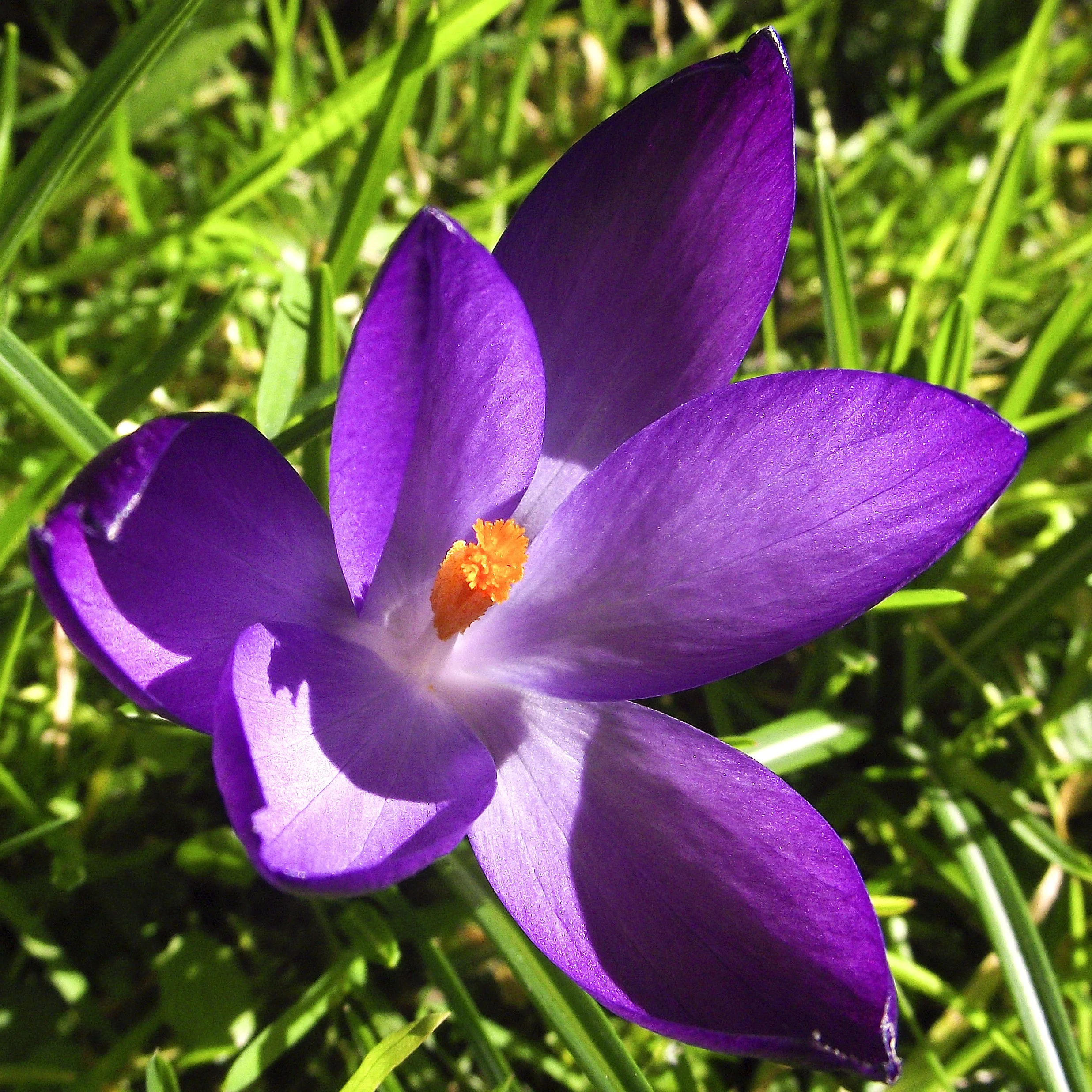
Awakening to Spring and New Beginnings
Across the globe, signs of spring are here! For those who live where it gets cold, it’s easy to see the world re-awaken with the flowers and trees, the birds returning and people emerging from their houses.
On Facebook, my New England friends post pictures of budding purple crocuses and brave blades of grass emerging after the deluge of snow.
Even in Florida, there are signs of spring (mostly because everyone complains about their allergies) but I smell the orange blossoms and see the palms flowering. The signs are more subtle here and disappear fast into the broiler -commonly known as summer- but before they do, spring is a wonderful time to re-awaken.
There is a rune that looks like a capital I, Isa. When I used to read my runes regularly, I’d always kind of gasp when I’d pull this one because Isa symbolizes “no movement” but to me, that meant stuck. Isa is more accurately described as standstill and metaphorically corresponds to the season of winter, a time of dormancy, of seeds waiting.
When I put my own self-process into the natural life cycle, I quickly understand the need for stasis before activity. This has enabled me to embrace the stillness, the emptiness, the waiting - the winter before spring.
But now this season of gestation is over, the seeds are awakening, ready to germinate and create new life, new beginnings, new opportunities.

Across the globe, signs of spring are here! For those who live where there are distinct seasons, it’s easy to see the world re-awaken with blooming flowers and trees, birds returning and people emerging from their houses.
On Facebook, my New England friends post pictures of budding purple crocuses and brave blades of grass emerging after the deluge of snow.
Even in Florida, there are signs of spring (mostly because everyone complains about their allergies) but I smell the orange blossoms and see the palms flowering.
The signs are more subtle here and disappear fast into the broiler, commonly known as summer.
But before they do, spring is a wonderful time to re-awaken.
There is a rune that looks like a capital I, Isa. When I used to read my runes regularly, I’d always kind of gasp when I’d pull this one because Isa symbolizes “no movement” which to me meant stuck.
Isa is more accurately described as standstill and metaphorically corresponds to the season of winter, a time of dormancy, of seeds waiting.
When I put my own self-process into the natural life cycle, I quickly understand the need for stasis before activity. This has enabled me to embrace the stillness, the emptiness, the waiting - the winter before spring.
But now this season of gestation is over, the seeds are awakening, ready to germinate and create new life, new beginnings, new opportunities.
What does this spring hold for you?
What projects have lain dormant and are now ready to have new life breathed into them?
Spring is a time of shifting so this season may require a re-orientation or perhaps even some re-prioritizing. I suppose that’s why we spring clean – to brush out the old and make way for the new.
For me, it’s simple. There are natural projects that yearn for my attention and it’s time for me to plant and get my hands dirty in the earth. It is also time to delve deeper into a few creative ventures I’m currently undertaking primarily focused on writing and course development.
So as you approach this spring season, what opportunities are lying in wait for you?
Is it time to make a move, start a new class, finish up a project that’s been lingering?
Ask for guidance from within and you’ll know what awaits you. Bring yourself back in alignment with nature and allow this awakening energy to stir your inner voice and creativity.
Be sure to tell us what exciting things spring has in store for you!
Leave a comment right underneath!
Let's make a list of what we plan to accomplish!
Join our ever expanding community. Sign up today! FREE
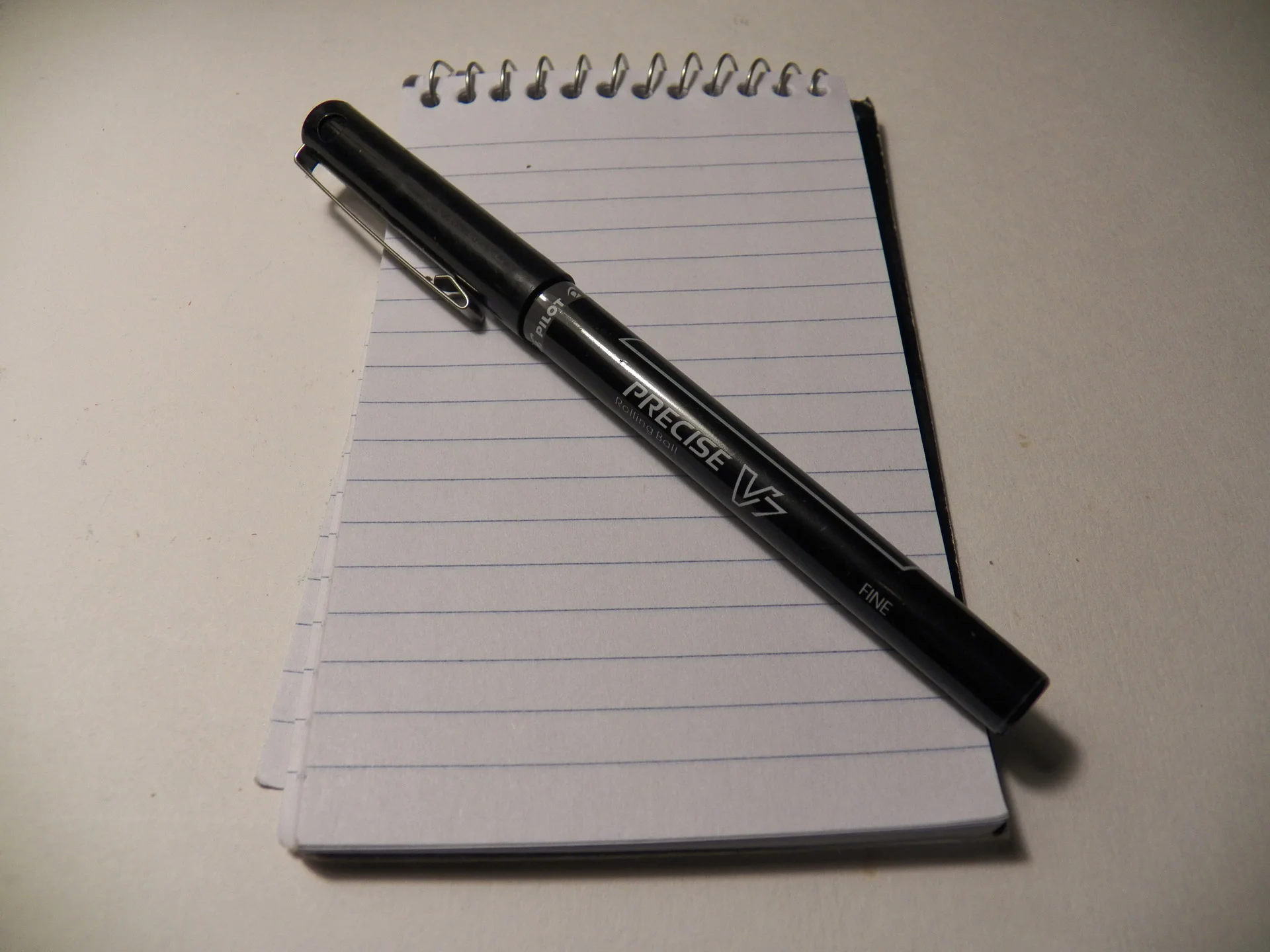
Stressed by Your To Do List? 4 Simple Strategies to Lighten the Load
I recently got back from a family holiday in France. Because I wanted to be “on vacation,” I’d decided to get a bunch of work done early so I wouldn’t have it hanging over my head while I was away. Sound familiar? We all do this, right?
Naturally, I made a list.
My list included what I needed to do for my business as well as all the personal issues that had to be addressed. Things like paying the mortgage, the electric and cable bills, getting cash for travelling, stopping the mail, etc.
I wrote my list about two weeks before we left. Almost immediately I was stressed out. My mind whirred with, “I have so much to do. I have to hurry to get it all done. The clock’s ticking. I’m running out of time.” My chest started contracting and it was hard to breathe. I’m sure my blood pressure spiked too.
For the first time since I started writing a weekly blog 18 months ago, I had writer’s block.
I literally sat down to start an article and my mind was a complete blank. I had no creativity, no ideas, nothing sounded interesting or compelling.
I just sat there and stared at my computer as the panic rose and the chant continued. “You can’t do this. You have too much to do. You have to get this piece written. Your list is waiting… And nothing.
I finally got up and walked away.
I recently got back from a family holiday in France. Because I wanted to be “on vacation,” I’d decided to get a bunch of work done early so I wouldn’t have it hanging over my head while I was away. Sound familiar? We all do this, right?
Naturally, I made a list.
My list included what I needed to do for my business as well as all the personal issues that had to be addressed. Things like paying the mortgage, the electric and cable bills, getting cash for travelling, stopping the mail, etc.
I wrote my list about two weeks before we left. Almost immediately I was stressed out. My mind whirred with, “I have so much to do. I have to hurry to get it all done. The clock’s ticking. I’m running out of time.” My chest started contracting and it was hard to breathe. I’m sure my blood pressure spiked too.
For the first time since I started writing a weekly blog 18 months ago, I had writer’s block.
I literally sat down to start an article and my mind was a complete blank. I had no creativity, no ideas, nothing sounded interesting or compelling.
I just stared at my computer as the panic rose and the chant continued. “You can’t do this. You have too much to do. You have to get this piece written. Your list is waiting… And nothing.
I finally got up and walked away.
Later that night I confessed to my husband that I had writer’s block. But then I also began to recognize my other symptoms. Stress was causing my mind to short circuit in this panicky thinking. And I felt incredibly uncomfortable in my body.
That’s when I remembered – this is how I used to feel a lot.
I’d forgotten because a few years ago I made a radical shift in my schedule and opted to slow my work life down to feel more sane, whole and loving.
This awful feeling of stress, angst and physical discomfort was how I’d felt for years. It had actually become my norm. There was sooooo much to do and not enough time. I’d run around crazed, in a blurred rush, trying frantically to multi-task and get everything done.
With my list and the time crunch of my impending trip, I’d fallen right back into that place.
That’s when I made a decision because I hated feeling this way.
What was it?
My list had projected me straight into the future. All I had to do was come back to right now, this moment.
How did I do that?
Breathing.
That’s when I had another a-ha.
I couldn’t write because I was stressed. My brain was already onto the next thing on my to-do list when I hadn’t even started the first task, writing. As I allowed myself to relax and breathe, that creative flow began to re-awaken and the next day I was able to complete my piece.
If you can relate to being stressed out and unable to turn off the list in your mind, see if these strategies help:
1. One Thing at a Time
For all that we love the notion of multi-tasking, (especially as women) we can really only do one thing effectively and well at a time. Choose to be present and focused JUST on the activity at hand – be it writing, talking on the phone or cooking dinner.
2. Prioritize the List and Delegate
Does everything really need to get done now? Can someone else do some of it for you? Can anything wait until later?
3. Relax
This was my big key. I had to relax into knowing that everything was fine, everything was going to get done and if it didn’t, oh well. Guess what? Once I relaxed, I knocked off all the stuff on my list no problem and without all the chaos and drama I’d kicked up previously.
4. Breathe
Take nice deep breaths into your body and feel the tension dissolve. Breathing oxygenates the body, clears the mind and re-focuses us right back to now. It gives us instant clarity and a feeling of wakefulness.
Try these and see if your list suddenly becomes manageable and do-able. We always have the choice to fall into stress or to stay present. When we choose presence, we're often surprised at how calm and clear we feel and how effective we can be. Before you realize it, everything’s done!
How do YOU handle stress? Leave me a comment just underneath this blog post!
Be in the know - sign up for my blogs and other news - direct to your inbox free!
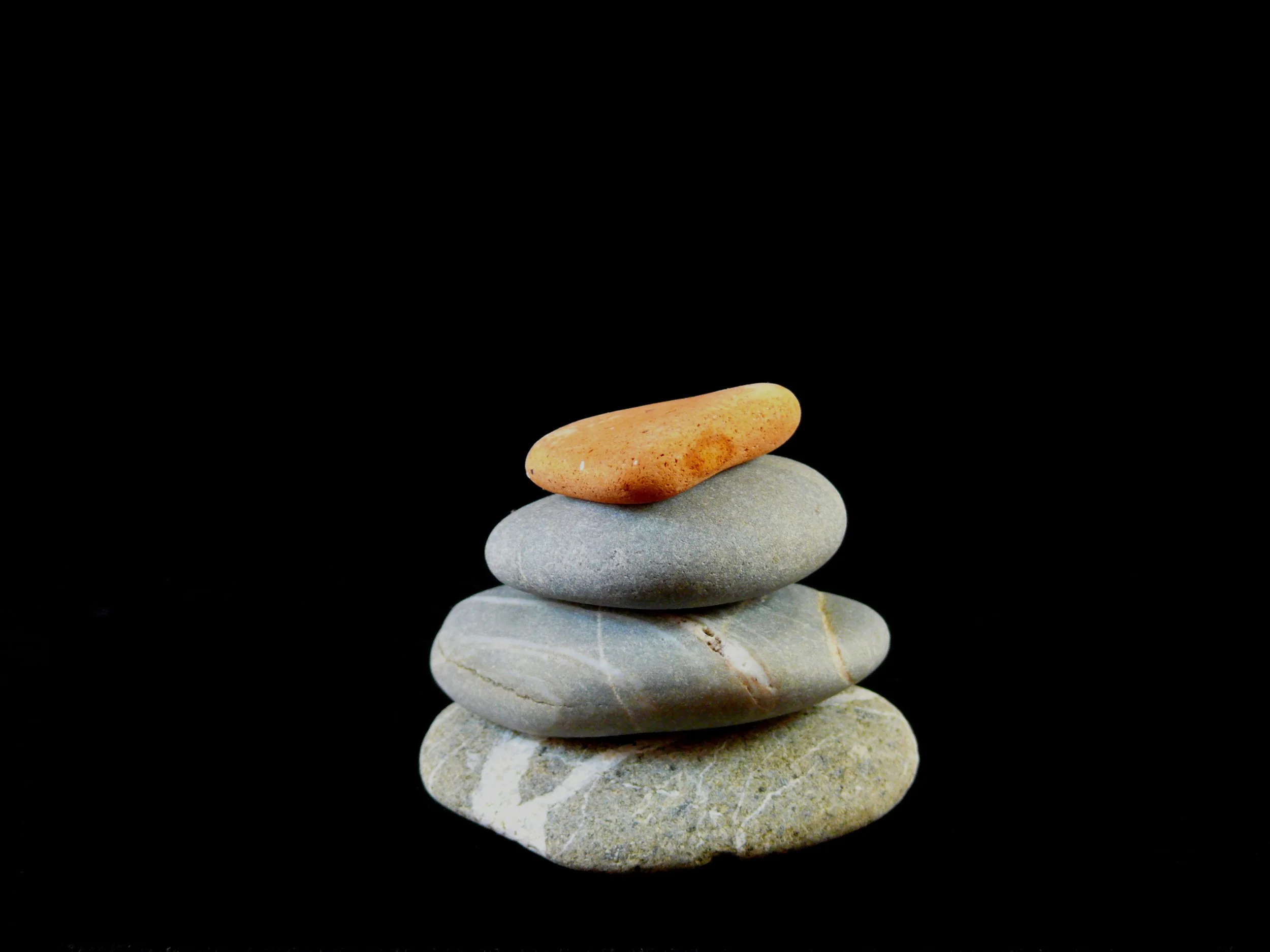
Gratitude – the Antidote to More
As an American, I’m pretty good at being a consumer. In fact, I think most of us are. Americans are constantly encouraged to buy. It’s how we fuel our economy. But the underbelly of our consumer economy is the never-ending quest for more.
More manifests itself obviously with technology since technology changes so rapidly.
I suddenly find myself convinced that I need the iPhone 6 even when my current phone works fine. Or I immediately want the Apple watch when I don’t even like wearing watches. And although I just bought a new MacBook, I now must have the lighter than Air model.
But it isn’t just with technology, it’s with everything partly because we strive to keep up with others around us. I need a pair of LeBrons or Timberland boots. I have to get some new Beats by Dre headphones. This April, I simply must have a purse for spring.
Sure enough, buying that new hobo handbag does make me feel happy and satisfied but only briefly because soon my pastel blue purse is passé and I’m hankering for a black one for fall…
This craving for more is a never-ending cycle. It’s a treadmill we get on of wanting more or better - a bigger house, a newer car- and on and on.
What’s the solution? Gratitude
As an American, I’m pretty good at being a consumer. In fact, I think most of us are. Americans are constantly encouraged to buy. It’s how we fuel our economy. But the underbelly of our consumer economy is the never-ending quest for more.

More manifests itself obviously with technology since technology changes so rapidly.
I suddenly find myself convinced that I need the iPhone 6 even when my current phone works fine. Or I immediately want the Apple watch when I don’t even like wearing watches. And although I just bought a new MacBook, I now must have the lighter than Air model.
But it isn’t just with technology, it’s with everything partly because we strive to keep up with others around us. I need a pair of LeBrons or Timberland boots. I have to get some new Beats by Dre headphones. This April, I simply must have a purse for spring.
Sure enough, buying that new hobo handbag does make me feel happy and satisfied but only briefly because soon my pastel blue purse is passé and I’m hankering for a black one for fall…
This craving for more is a never-ending cycle. It’s a treadmill we get on of wanting more or better - a bigger house, a newer car- and on and on.
What’s the Solution? Gratitude
Gratitude Brings Us Back to Now.
Instead of focusing on what we don’t have -the apple watch, the new car- we focus on all that we do have - clean water, loving relationships, a closet full of clothing, 50+ pairs of earrings, a pool, fresh food, healthy children…
Gratitude is a Reorientation.
Think about yourself for a minute. How do you like yourself better?
When You’re in a Place of Wanting or in a Place of Thankfulness?
Does it feel healthier when you think: “If only I had a new office chair, I’d get so much more done…. If I had 20 clients this week, I’d feel successful.”
Versus when your thoughts say: “My office is filled with beautiful sunshine and my desk is large and holds all my work easily. My schedule is flexible and enables me to work with people as well as spend time with my family.”
The Trick is to REMEMBER.
Remember to look around our lives and see all the beauty, abundance, love and happiness that exists right now.
Gratitude is Recognizing and Appreciating What We Have in the Moment.
This way of thinking fills us up with happiness and contentment.
The cycle of more pushes us into a place of lack where we’re constantly left wanting and that pulls us into the future toward more or better.
Instead, if we can use gratitude as a tool, it can easily and simply bring us back to now. Back to feeling satisfied and whole, happy and content.
The next time you find yourself yearning for a new dress or a power tool that you might not need, check in.
Are you feeling happy and grateful for the life you’re living right now?
Or are you trying to fill an emptiness or void through materialism?
Remind yourself how good your life is. Look around at all the abundance you have right now and watch that desire for more slip away.
How does gratitude manifest in your life? Leave me a comment under the blog!
AND If you’re in Vero Beach this weekend,
join us for an afternoon immersed in gratitude.
Click here for more details.
Get my blogs and other treats Free! Sign up today.
Tell me how gratitude impacts your life - write your ideas below!
The Wisdom to Know the Difference
God grant me the serenity to accept the things I cannot change; the courage to change the things I can; and the wisdom to know the difference.
Not long ago, I was at a conference and heard a journalist share about her recent interview with Dr. Wayne Dyer. She’d asked him about the Serenity Prayer, wondering how we can develop the wisdom to know the difference.
Her query got me thinking. How do I know when to surrender and when to act? And then it hit me.
I can only change one thing, ME -- my words, my actions and my thoughts.
When I decide to take control, I’m in charge and responsible for my life. From this place I feel empowered because I can indeed effect change and evolve myself.
Accepting the things I cannot change is harder.
God grant me the serenity to accept the things I cannot change; the courage to change the things I can; and the wisdom to know the difference.
Not long ago, I was at a conference and heard a journalist share about her recent interview with Dr. Wayne Dyer. She’d asked him about the Serenity Prayer, wondering how we can develop the wisdom to know the difference.
Her query got me thinking. How do I know when to surrender and when to act? And then it hit me.
I can only change one thing, ME -- my words, my actions and my thoughts.
When I decide to take control, I’m in charge and responsible for my life. From this place I feel empowered because I can indeed effect change and evolve myself.
Accepting the things I cannot change is harder.
We all want other people to change. Being a recovering perfectionist, I was always attempting to improve family members and in particular, my spouse. It never worked and instead, created more tension, ill will and frustration for both of us.
But even more than wanting to control the people in my life, I felt compelled to heal the world, vacuum up all the smog and carbon in the air, single handedly clean the oceans and rivers. Every time I heard about a natural disaster somewhere my heart hurt and I felt responsible. I had to do something about it.
Then it dawned on me one day that I couldn’t.
I couldn’t magically make everything better (at least not yet). Focusing on all of the negativity oppressed me too, and made me feel helpless. That’s when I had to re-think what I can and cannot change.
I still care about our environment and about the people in my life but now instead of allowing myself to be overwhelmed, I ask what can I do?
I can love and accept my family.
I can recycle, buy local or sustainable products, donate my time or money, drive a hybrid, ride a bike or walk.
I can pray and envision the world I want for my children.
The wisdom lies in the knowing–that all I have control over is me.
At first it can sound limiting and limited. But in reality, when we change ourselves and how we show up in the world, we can change the world. So the next time you’re wondering how to know the difference, ask yourself, “Is this about me or about my need to control or save someone else?” And pretty quickly you’ll have an answer.
How have you interpreted the Serenity Prayer?
Let me know your thoughts.
Leave a comment below!
Receive my weekly emails and other goodies directly to your inbox. Sign up TODAY!

3 Reasons Why Rejection’s a Good Thing
It’s nearly that time of year when high school seniors start hearing from colleges – hoping to be accepted and dreading the rejection letters. I remember those days, the anxiety and nervous energy, waiting to see what the future held.
In the 30 years since I awaited my own set of letters, I’ve learned a lot about rejection. That contrary to popular belief, rejection may not be the enemy, but instead can often be a helpful guide.
I say this because we don’t always know what’s in our best interest. I might think that working for large corporation A is my dream job only to find when they don’t hire me, that small organization B was exactly where I fit and what I needed to both build my skills and open new doors. Rejection offers us a chance to re-think our plan, to realign or challenge our initial beliefs and ensure that where we think we want to go is indeed in our highest and best good.
Here’s How Rejection is Helpful
It’s nearly that time of year when high school seniors start hearing from colleges – hoping to be accepted and dreading the rejection letters. I remember those days, the anxiety and nervous energy, waiting to see what the future held.

In the 30 years since I awaited my own set of letters, I’ve learned a lot about rejection. That contrary to popular belief, rejection may not be the enemy, but instead can often be a helpful guide.
I say this because we don’t always know what’s in our best interest. I might think that working for large corporation A is my dream job only to find when they don’t hire me, that small organization B was exactly where I fit and what I needed to both build my skills and open new doors.
Rejection offers us a chance to re-think our plan -- to realign or challenge our initial beliefs -- and ensure that where we think we want to go is indeed in our highest and best good.
Here’s How Rejection is Helpful
1. We Get What We Need.
When I was a senior in high school, I really wanted to go to Brown University. It was my first choice not because I thought it was the best fit for me but because I wanted to please my parents. Then they could boast that I was at an Ivy League school. I’d also feel validated that I was indeed smart. I didn’t get in – along with 90+ percent of the other applicants. Instead, I went to Boston University.
Initially I felt rejected and lost. How could Brown not want me? I’m not good enough, smart enough… until one day I was listening to that famous Rolling Stones song and was reminded that I might not always get what I want but I get what I need.
I know it’s a cliché, but in that moment a light bulb went on and I realized that was precisely what had happened. I’d worked my tail off in high school and soon discovered that BU was easy for me after the rigor of a private New England prep school. The truth was that I got an amazing education in high school. I’d learned how to think, how to analyze and apply information. What I needed in college was to develop my social and emotional skills so I could both understand myself as well as interact comfortably and confidently with others. And that is exactly what I got.
2. 3s the Charm
About 10 year ago I went to a workshop focused on money and success with Harv Eker. It was one of those marathon weekends where participants work in large hotel conference rooms from early in the morning until nearly midnight.
One of my takeaways from that intensive was to be ready for rejection AND try again. We have to be willing to try at least 3 times to succeed. Most people hear “no” once and give up. Our challenge is to hear “no” and persevere right through that until we hear “yes.”
3. It Isn’t Personal
I recently submitted a book proposal for a competition that a publisher was holding. I didn’t win. At first I was a little shocked but then I told my daughter that they’d received something like 160 entries. She looked at me and said, “Mom, that’s less than a 1% chance!”
I suddenly realized she was absolutely right. And I also reminded myself that it wasn’t a personal rejection. Later, I was talking to an art friend of mine. She said, “I tell everyone – submit, submit submit. Because what a committee will choose today is different than what they’ll choose tomorrow. Don’t be afraid.”
Instantly I knew she was right too. Committees are made of people and they may like Sculpture 1 today and Sculpture 2 tomorrow just as they may like Book X today and Book Y tomorrow.
It’s about how we interpret these momentary set backs.
Do we allow them to shut us down and internalize them to think we’re bad, unworthy or undeserving? Or do we use rejection as fuel to carry on regardless knowing that we’re getting what we need in the moment and that life’s taking us exactly where we need to go.
Like lots of things, it’s a re-frame. When we can look at rejection not like an enemy but instead as a fact of life, a roadblock, or even a helpful guide, it can help us embrace it and learn from it rather than allow it to haunt us.
As I said to my 15 year-old this morning when I dropped her off at school, “Take chances! Challenge yourself.” That’s the way we truly grow by stretching ourselves and being willing to take risks. And built into that is rejection. So we might as well get used to it.