

Self Love or Shame?
I’m a big fan of Brené Brown because she’s willing to research topics that no one wants to talk about, like shame. One of my favorite books of hers is Daring Greatly.
In it, Brown says that shame needs three things to grow: silence, secrecy and judgment.
We all have shame, those places inside where we feel bad about ourselves, unworthy, embarrassed, ashamed.

I’m a big fan of Brené Brown because she’s willing to research topics that no one wants to talk about, like shame. One of my favorite books of hers is Daring Greatly.
In it, Brown says that shame needs three things to grow: silence, secrecy and judgment.
We all have shame, those places inside where we feel bad about ourselves, unworthy, embarrassed, ashamed.
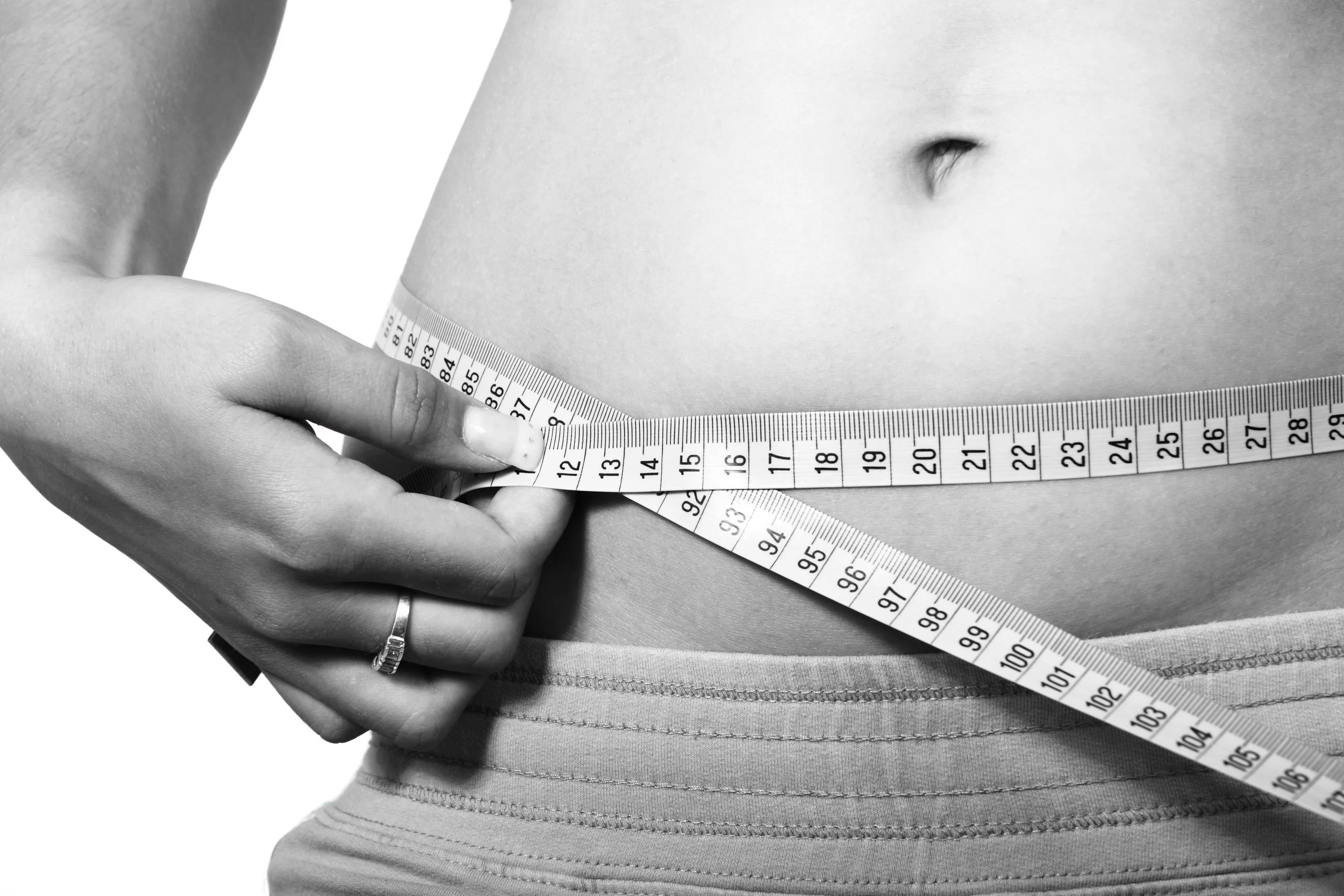
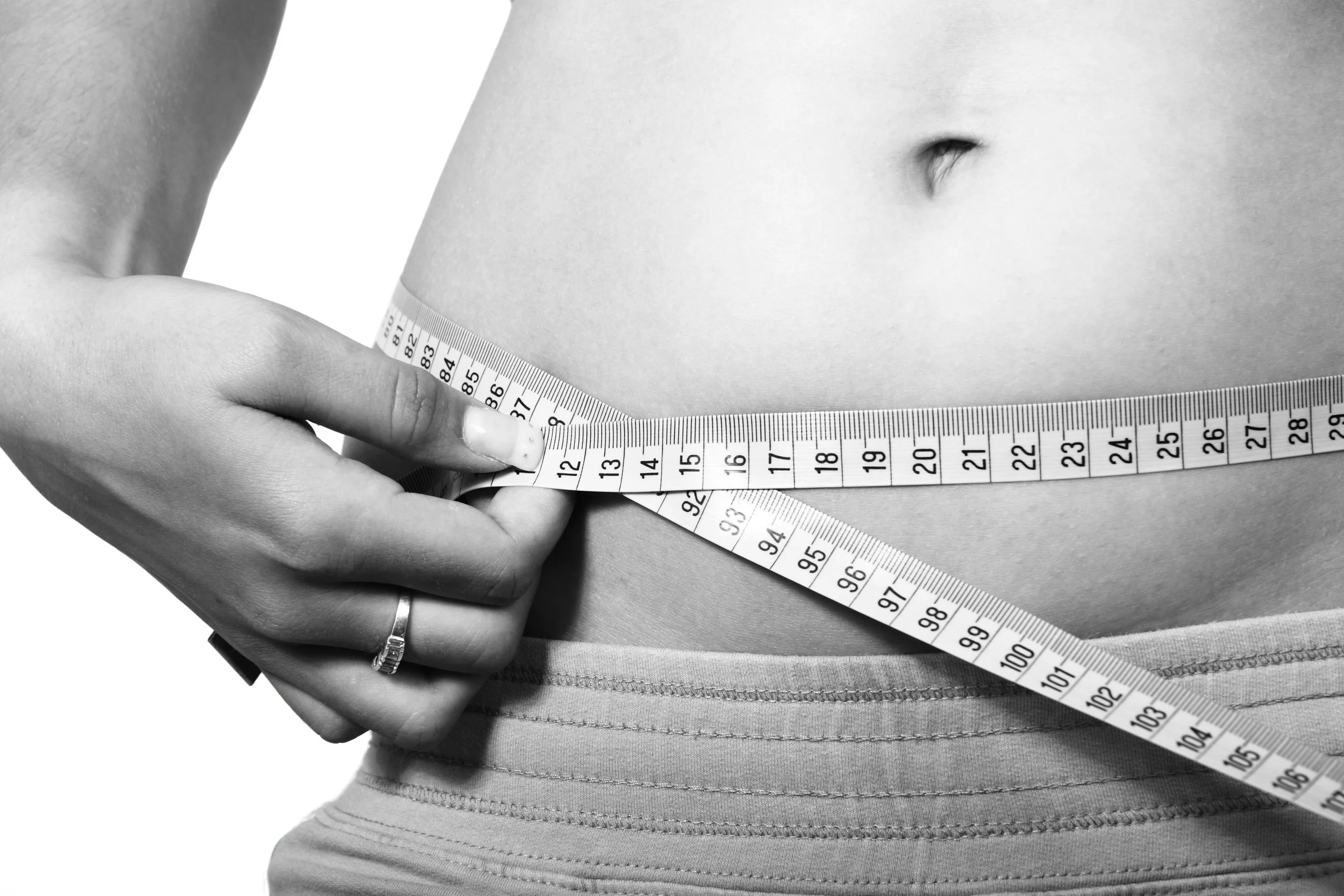
I used to have a lot of shame around my body. I learned from reading Daring Greatly that this – our bodies – is the #1 shame trigger for ALL women!
When I was a binge eater, I was embarrassed both by my body but also by my behavior.
There were many lonely evenings when I’d buy a pound of peanut M&Ms or a packet of Oreo cookies and inhale the entire bag in an hour. I was ashamed that I had no control, that I'd consumed so much food like a vacuum.
Years after I overcame my eating disorder, I met my spiritual teacher, Ma Jaya. She was a wonderful storyteller and I especially enjoyed the stories about her early life, living in Brooklyn, married to a tough Italian man.
Back then, Ma was also overweight and (like many women) was perpetually on a diet. One night, she was enjoying her dinner when her husband made a wise crack, “eat a little more.”
After that, she stopped eating in front of him.
Instead, she’d hide a loaf of Italian bread in the bathroom. When dinner was over, she’d bring the salad bowl with all the leftover oil and vinegar with her into the bathroom and soak the bread in it, scarfing down the entire loaf.
Listening to her, I could relate. She was me. I never wanted anyone to see me binge eat. I always did that alone.
But she was also NOT me.
Even though she wanted to be thinner, she always raved about how gorgeous she was back then – voluptuous, sexy. She had no shame. She simply loved herself skinny and fat.
What about you?
Is there a part of you that you disown? An aspect of who you are that makes you feel ashamed?
I know people who are embarrassed because of their sexual orientation, because they don’t feel smart or intelligent, because they can’t stay sober, because they have dyslexia, OCD or ADHD.
Instead of ignoring that part of you, or pushing it away, can you pour love and light into it?
We do this by accepting it, by loving it, embracing it and opening up about it. When we share how we feel flawed, broken, or imperfect with someone we really trust, it helps heal us.
Empathy destroys shame.
How would that feel?
When I read Brené Brown’s book, it set me free. Why? Because I realized that the places where I judge myself or feel shame are so often the same ones that we all do.
Once I saw that these “flaws” weren’t really specific to me, it seemed silly to hold on to them anymore.
After all, we are spirit beings having a human experience. And I’m resolved to make this the best one ever – and that means loving ALL of me!
What do you think? Are you in? Share one thing you're ready to release!
Want more? Get my blog & other goodies in your Inbox FREE every Wednesday!
I Used to Binge, Now I Don’t. Here’s What I Learned.
From my earliest memories food was always there. I see my nana serving meatballs, me polishing off an entire plate of food and getting fifty cents, walking to the new Haagen-Dazs for a vanilla cone. Food was there when people weren’t. Food was there when we had to move again. Food was there and eventually it began to keep love out.
I used to be the kind of person who lived to eat.
From my earliest memories food was always there. I see my nana serving meatballs, me polishing off an entire plate of food and getting fifty cents, walking to the new Haagen-Dazs for a vanilla cone.
Food was there when people weren’t. Food was there when we had to move again. Food was there and eventually it began to keep love out.
I used to be the kind of person who lived to eat.
I couldn’t wait to get home from school to make myself a bowl full of brownie mix and eat it, raw. As I kept gaining weight, my bingeing became secretive. I’d tiptoe into the kitchen, quietly open the cupboard, take a handful of cookies, and then run upstairs to my room.
But everything got much worse when I went away to boarding school.
In that accelerated academic environment, I experienced a new level of stress. It was the first time in my life that I wasn’t good at something, that I wasn’t a star. So I ate.
At times I couldn’t shove enough food into my mouth and often raided the vending machines in my dorm, buying candy bars and cookies, devouring packet after packet.
Bingeing haunted me throughout high school, college and into young adulthood.
Initially, food was comforting and provided relief but ultimately, after eating too much, I’d feel physically ill and then emotionally berate myself. I’d begin a diet and exercise program, succeed for a while, and then something would swing me invariably to the other side and I’d binge, undoing weeks of hard work.
Graduating from college, I was a good 50 pounds overweight when I wandered into a bookstore in Cambridge one day. There I discovered what cracked open for me the mystery around my eating disorder, Geneen Roth’s book, When Food is Love.
It awakened a desire to delve deeper and I began re-thinking my relationship with food.
Reading it, I suddenly saw that I’d been using food as a substitute for love. “Food was our love; eating was our way of being loved. Food was available when our parents weren’t… Food didn’t say no. Food didn’t hit. Food didn’t get drunk. Food was always there. Food tasted good… Food became the closest thing we knew of love.”
Roth’s philosophy is that when we deny ourselves, we want even more. That rebound is fierce and just takes over.
So I stopped dieting and began to follow her plan.
Eating whatever I wanted was a dream. I spent hours concocting recipes. Eating only when I was hungry and stopping when I was full was much harder.
That required me to feel my body which meant I actually had to be in my body.
I’d spent so many years hating it, why would I want to be in my body now? It was the enemy- ugly and fat. I was ashamed of it. Yet I knew this was part of my healing. I had to be willing to be present in my body and not emotionally run away.
Over time, I have come to see that this is the only way to heal, by being fully present.
It felt great to “listen to my body” but the problem was that I couldn’t sustain it. Sometimes, I’d be triggered by stress, fear, anger, upset, annoyance, anxiety, you name it, and I would binge. That was when I realized I had to go deeper. I had to go into some of the emotional triggers that were causing my desire to eat and begin to change myself from the inside out.
To completely release food and go from living to eat to eating to live, took me three years.
Three years of uncovering my triggers and beginning to love myself.
Here’s what I learned:
1. Food isn’t the problem. It’s the symptom.
The problem was that I felt like there was a giant hole inside of me that needed to be filled. I had to learn how to fill that hole with love- and that started with ME, with self-love.
2. Control
When I ate, I felt out of control, like life was unmanageable, too scary and I couldn’t deal with any if it. Food was like the anchor. When I dieted, then I was controlling food and obsessing over it. Either way, it was about control or the need to be in control. It was only in the act of letting food go, surrendering it, that I could be free.
3. Being Present
I used food to run away from my here and now and to numb myself to negative emotion. When I allowed myself to be present, I had to feel everything. And to my surprise, it didn’t destroy me. Instead, it enabled me to heal.
Food was my primary drug of choice.
But I think anyone who has struggled with addiction can relate. After all, the truth is that we eat or drink or drug because we feel inadequate, unworthy and unlovable. When we’re willing to look underneath the surface, we can discover the truth of who we are and the real healing can begin. It might not be easy but if I could do it, anyone can. All you need is the willingness, the desire to change your life. And I promise, you’re worth it.
Can You Relate?
Share with me below!
And sign up today -
Be a part of our growing community.