

4 Tools to Manage Your Mind - Part II
In the last blog, the focus was on spiritual strategies to help you feel less anxious and afraid. Today, we’re exploring ways to harness the power of your mind to help control your thoughts so they don’t control you.
Ready?
1. Intention
One of the ideas we discussed in the last blog was: How you start your day is how you live your day. Remember?
Intention ties into this beautifully.
In the last blog, the focus was on spiritual strategies to help you feel less anxious and afraid. Today, we’re exploring ways to harness the power of your mind to help control your thoughts so they don’t control you.
Ready?
1. Intention
One of the ideas we discussed in the last blog was: How you start your day is how you live your day. Remember?
Intention ties into this beautifully.
Imagine this: as soon as you awaken in the morning, you set a conscious intention for how you want your day to be, and how you want to experience it.
Easy, generous, joyful, peaceful, gentle, loving. compassionate…
We can use this tool for any situation we are facing as well.
Perhaps you have an upcoming meeting that’s causing anxiety. How would you like it to go? Stop and really set an intention about it, and about how you’re going to show up.
2. Affirmation
Using affirmations is another way to solidify your intention.
It’s also something you can use throughout the day if/when you feel like you’ve fallen into fear or anxiety. It can return you to a sense of balance, equilibrium and groundedness.
Utilizing affirmation can help calm your nervous system as well as re-set your mind.
Ones that can be helpful with fear and uncertainty include:
I am safe.
Life loves me.
Life brings me only good.
Out of this situation only good will come.
3. Input
What are you reading, watching and listening to? In other words, what information is going into your mind?
Are these sources serving and supporting you? Or are they creating even more anxiety and fear?
Of course, it’s important to be informed, but not at the detriment of your mental health. Think about it this way, you aren’t helping anyone if you’re in a constant state of anxiety and fear.
4. What Are You Feeling?
It can be super easy to emotionally detach or intellectualize what you’re experiencing.
Especially when the sensation is uncomfortable like – dread, rejection, shame, anger, disgust. Typically, the first reaction is to ignore it or push it away.
What would happen if instead of ignoring or pushing away that feeling, you allowed yourself to identify it and be with it?
The idea here is to cultivate a relationship with your feelings, to hone in on them – the ones you like experiencing as well as the ones you don’t.
When we do this, they negative ones are less likely to hijack our entire system, too.
Alright, so here are 4 more practices to add to your self help toolbox to support you in managing uncertainty, anxiety and fear.
Let me know how it’s going!
Want more tools to support you in liivng your best life?
Sign up today and get them direct to your email every Wednesday, FREE.
Image courtesy of Davies Designs Studio on Unsplash

4 Spiritual Tools for Managing Uncertainty
Let’s be honest, some days are just hard, especially if you’re a sensitive person!
We can glance up from the microcosm of our lives, and gasp at what’s happening across the globe, from searing heats and drought to political discord.
Maybe you’ve found yourself, your emotional self, teetering on the edge - trying hard not to fall into fear or anxiety- as you face this elevated level of uncertainty.
To support you through these times, I’ve put together tools to help you manage the discomfort you’re feeling be it anxiety, apprehension, dread, fear…
Over the next few weeks, I’ll provide you with tools and practices you can incorporate and use. This blog, is focused on the spiritual level. In subsequent weeks, we’ll look at mind habits, body practices, as well as community engagement.
Let’s dive in!
Let’s be honest, some days are just hard, especially if you’re a sensitive person!
We can glance up from the microcosm of our lives, and gasp at what’s happening across the globe, from searing heats and drought to political discord.
Maybe you’ve found yourself, your emotional self, teetering on the edge - trying hard not to fall into fear or anxiety- as you face this elevated level of uncertainty.
To support you through these times, I’ve put together tools to help you manage the discomfort you’re feeling be it anxiety, apprehension, dread, fear…
Over the next few weeks, I’ll provide you with tools and practices you can incorporate and use. This blog, is focused on the spiritual level. In subsequent weeks, we’ll look at mind habits, body practices, as well as community engagement.
Let’s dive in!
When I say the “spiritual level,” another way to think about this is as a way to connect with something greater than yourself. It also helps us remember that we are not alone.
Here are 4 ways to do that:
1. Starting Your Day
There’s a wonderful expression my husband used to say all the time. Then I heard Louise Hay use it as well: “How you start your day is how you live your day.”
How do you start your day?
Upon waking, do you immediately check social media, your email, or the news?
What if you began a different way? With a thought of love, or a prayer? With meditation?
For the past few years, I’ve begun my day by reading my Course in Miracles lesson, one for every day of the year.
2. Meditation
In 1997, when I first began to meditate, I almost didn’t launch my practice. The healer I was working with told me I needed to start.
My response was, “I don’t have time.” I was, after all, working, had a long daily commute and a a 2-year-old
Her response? “Make time.”
And I did even though I HATE getting up early in the morning. I made the decision to meditate which meant I got up, half awake, and sat in front of my altar (which was a shelf in my linen closet in the hallway.)
5 minutes. It’s all you need to do. Sit quietly for 5 minutes.
Why not do an experiment? Start your day with 5 minutes of meditation. Sit up in your bed. See what happens.
3. Prayer
Some people say prayer is how we ask God (oneness/universal consciousness) for what we want, and meditation is how we receive the answers, by getting quiet and listening.
Prayer is also the antidote to worrying, which is what often happens when we fall into fear.
And here’s the really cool part. You can pray about anything and everything no matter how big or small.
One way I like to use prayer is by truly envisioning how I want the world to be. It’s so easy to get caught up in thinking about what we don’t want. But instead, try focusing on what you do want to happen instead. Perfect healing.
4. Guidance
Sometimes we crave clarity. Of course, this can come from prayer and meditation, from asking and listening for answers.
It can also come from astrology, tarot, runes, I Ching, or even asking a question and opening a book at random.
I have multiple decks of oracle cards that I use when I want some direct guidance, or even to give me a sense of a theme for a period of time. In fact, I just pulled a card to offer insight about this month!
Alright, so there are 4 ways you can connect to greater wisdom and guidance to feel less alone, less anxious and grounded. In the next blog, we’ll dive into managing our minds!
Want more tools for your personal development?
Sign up today and get an email direct to your inbox!
Image courtesy of Valentina Ivanova on Unsplash

5 Ideas for Managing This Anxious World
Worried about the next snowstorm hitting your city or that your flight will be delayed? You’re not alone. In fact, every single one of us experiences anxiety. But when we constantly avoid socializing, excessively sweat before a presentation or are unable to sleep because our minds won’t stop, then anxiety may be taking us over.
According to the National Institute of Mental Health, 40 million Americans or 18% of our population is suffering from this level of anxiety making it the top mental illness diagnosis. Anxiety is clearly the malady of our modern day life.
What Exactly is Anxiety?
Anxiety, as I mentioned earlier, is a normal human response to uncertainty and we experience it often in our lives at work, in school (such as before tests), when we make decisions or if something unexpected arises.
Anxiety becomes a problem when our feelings and thoughts prevent action or cause symptoms that render us unable to cope. These include constant worry, panic, fear and apprehension. There can also be physical symptoms such as sweating, heart palpitations, high blood pressure, and restlessness.
Why Are We So Anxious?

Worried about the next snowstorm hitting your city or that your flight will be delayed? You’re not alone. In fact, every single one of us experiences anxiety. But when we constantly avoid socializing, excessively sweat before a presentation or are unable to sleep because our minds won’t stop, then anxiety may be taking us over.
According to the National Institute of Mental Health, 40 million Americans or 18% of our population is suffering from this level of anxiety making it the top mental illness diagnosis. Anxiety is clearly the malady of our modern day life.
What Exactly is Anxiety?
Anxiety, as I mentioned earlier, is a normal human response to uncertainty and we experience it often in our lives at work, in school (such as before tests), when we make decisions or if something unexpected arises.
Anxiety becomes a problem when our feelings and thoughts prevent action or cause symptoms that render us unable to cope. These include constant worry, panic, fear and apprehension. There can also be physical symptoms such as sweating, heart palpitations, high blood pressure, and restlessness.
Why Are We So Anxious?
Our modern world is exciting and fast. Thanks to technology we’re also hyper connected and constantly exposed to vast quantities of information. It’s simply too much to process.
In addition, anxiety is effortlessly fed by looming uncertainties like the slow economic recovery, rising terrorism, constant environmental stressors, and managing life’s increasingly complex responsibilities.
If we’re forward thinking, we easily become habituated toward worry, fear and anxiety. What’s going to happen? How am I going to manage it? What if I get Ebola?
To cope with anxiety, many people take Benzodiazepine medications such as: Xanax, Ativan, Valium or Klonopin. These pills target the gamma-aminobutyric acid or GABA, a neurotransmitter chemical, enabling the user to feel more relaxed, and less anxious. They can be addicting and often, when a pill wears off, can make a person feel even more anxious.
What Else Can We Do?
Here are 5 Easy Ways to Address Anxiety Without Medication
1. Manage It
The number one thing we can do to help ourselves deal with anxiety is to change our thinking.
Let’s reframe anxiety and accept that it exists, that we will feel it and experience it. Anxiety will never go away because we are hard wired to have it. Instead, we have to manage it and recognize it as a warning.
What Does Anxiety Want to Teach Me Right Now?
Do I need to make sure my car is filled with gasoline before the storm? Should I double check my alarm clock so I won’t be late for the meeting? Anxiety is a natural warning system but it doesn’t have to become a way of life.
2. Be Present
Often we fall into anxious thoughts because we’ve moved ourselves out of the present moment and into a future scenario. We imagine terrible suffering and awful possibilities. To quote Mark Twain, “.. life does not consist mainly -- or even largely -- of facts and happenings. It consists mainly of the storm of thoughts that is forever blowing through one's head.”
Instead, if we can bring our attention back to this moment, most of the time, nothing awful is happening. It’s all in our heads. When I find my mind careening forward and painting scary scenarios, I remind myself to come back to now, back to this present moment.
Then I ask questions like:
Am I safe right now?
Am I supported right now?
Are my children okay?
Am I healthy?
And nearly all the time, the answer is yes.
3. Foster Healthy Mind Habits
Left to its own devices, our minds wander, projecting lots of “what if” scenarios or telling us scary stories and other negative things like: “They don’t like me.” “I’ll lose my job.” ”He’s talking about me.” “They’ll never hire me.” “I won’t have enough money.”
Catching ourselves thinking like this is the first step.
Then we can begin to change those thoughts and shift into healthier patterns. Choosing positive self-talk, reassuring words and kind messages instead. Phrases like:
“I’m doing a good job.”
“I can ask for help if I need it.”
“I’m an excellent money manager.”
4. Limit News
We can also support ourselves by limiting our exposure to the news. Today we can see what is happening across the globe and sometimes that level of knowledge can feed our anxiety. Learning about a military coup or suicide bomber can fuel our fear and propel us into anxiety when, in all likelihood, that occurrence will have no real impact on our lives. Especially avoid watching the news before bed.
5. Exercise
The research that exercise reduces stress and anxiety is overwhelming. We all know it immediately makes us feel better, boosts our immune system and releases endorphins. And yet, when I’m in an anxious state, it can be hard to get myself motivated.
So the best strategies to ensure that exercise is part of your life are to:
Create a regular routine.
- Maybe it’s a walk with friends once a week or an evening yoga class. For me it’s running 4-5 times a week.
- Creating a routine can help us stay exercising even when anxiety appears.
- Maybe it’s a walk with friends once a week or an evening yoga class. For me it’s running 4-5 times a week.
Have a buddy.
Initially it was really hard for me to be self-motivated to exercise.
I relied on my husband to get me going. He loves working out and was like a cheerleader for me.
Another way to have accountability is to meet someone at the gym or studio. Knowing someone is waiting can get you there when you feel unmotivated.
So the next time you find yourself feeling anxious and stressed, try incorporating some or all of the above. If you need more help, reach out to a friend, coach or therapist. There’s no reason to feel oppressed by this life. It’s here for you to be lived and enjoyed to the fullest. So get out there, have fun and live anxiety free!
What do you do for anxiety?
Leave a comment below!
And get my blogs straight to your inbox today, FREE!
Feeling Afraid? Try Acknowledging It
When I was in my early 20s, I was offered a job in sales and design for a manufacturer in Hong Kong. My office was in a factory located in an industrialized and severely polluted part of the territories. After arriving and settling in, I quickly realized that it wasn’t the job for me. They hardly had anything for me to do and had hired me primarily as a favor to my mother. Every day I sat at my desk in a windowless room pretending to work. It was pretty awful.

When I was in my early 20s, I was offered a job in sales and design for a manufacturer in Hong Kong. My office was in a factory located in an industrialized and severely polluted part of the territories. After arriving and settling in, I quickly realized that it wasn’t the job for me.
They hardly had anything for me to do and had hired me primarily as a favor to my mother. Every day I sat at my desk in a windowless room pretending to work. It was pretty awful.
About six months later I mustered up the courage to quit.
I made a list of what I felt like I needed in my life. Things like: sunshine, variety, more than 2 weeks vacation, connection. Between my list and my language limitations -not speaking Cantonese- I decided I should become a teacher. In fact, it met all of my requirements!
And of course that’s what happened.
I was offered a position at an international high school. I was thrilled, my first real job. I excitedly began prepping for my English literature and language classes until the night before school officially began. That’s when it dawned on me.
My job was public speaking all day, every day and I panicked.
As a child, I'd loved performing but that had all changed in high school. I had a crisis in confidence resulting from being socially ostracized. Now I was shy and scared, and most importantly, had lost my voice.
I quickly ran out of my apartment and down to the lobby then took off walking. My building was located on a cliff overlooking the harbor and was dark and quiet. As I walked, my mind whirred.
“What am I going to do? I can’t believe this. How could I have been so stupid? I can’t public speak all day everyday.” That freaked out voice went on and on until another voice interjected.
This new voice said to me, “It’s just fear. Can you do it anyway?”
Recently I’d read William Faulkner’s acceptance speech. The one he had given upon receiving the Nobel Prize for Literature in 1950. He’d spoken about the pervasive fear in the United States caused by the Cold War and the impending doom of nuclear annihilation that hovered over us. He went on to say: “[the young writer] must teach himself that the basest of all things is to be afraid; and, teaching himself that, forget it forever…”
Huh. I began to reason with myself. Fear is just an emotion. Was I going to let it stop me from teaching? Could I go through with it anyway, even though I was scared?
And the answer was, “yes, I can” and that’s exactly what I did.
In that moment, I realized that I was bigger than my fear. I had allowed myself to recognize it, and then put it aside.
Shortly after this, I saw a film that reconfirmed what I had experienced. In the movie, one of the characters quotes a Spanish proverb.
Translated it was: “A life lived in fear is a life half lived.”
Sitting in that movie theatre, I resolved that I would not live a half-life. I wanted to live a full, rich, complete life; truly experience being alive. And if that meant learning how to deal with fear, then that’s what I was going to do.
That was more than two decades ago but I still feel the same way today. Of course, fear keeps knocking and every time, I have to pay attention.
And in that time here’s what I‘ve learned:
Just because I experience fear, it doesn’t mean it has to control me.
If I acknowledge it, then I can manage it. When I try to push fear away or drown it by eating too much, drinking or avoiding, it comes back even stronger. Instead, when I recognize the fear and face it, just like I did on that dark cliff in Hong Kong, then I can disable it. I relegate it to the back seat instead of allowing it to be the driver. This way fear becomes my fellow traveler and not my boss.
What have you found helpful in managing fear?
Leave a comment below!
And sign up to receive more news from Shakti!
Who Just Said That?
Lately I've been hearing people talking about their anxiety. One man I know can't stop thinking about his health. He recently had a check up and was told he has high blood pressure. Now he can't stop thinking about the blood pumping through his body. His thoughts make him fearful and anxious, that he's going to have a heart attack or stroke at any moment. Then a pregnant woman mentioned almost the same thing. Even though this isn't her first child, she's finding herself fixated on the future pain and all of the awful complications that could happen despite the fact that she's already had near perfect birthing experiences.
So what is this?
Lately I've been hearing people talking about their anxiety. One man I know can't stop thinking about his health. He recently had a check up and was told he has high blood pressure.
Now he's obsessively thinking about the blood pumping through his body. His thoughts make him fearful and anxious, that he's going to have a heart attack or stroke at any moment.
Then a pregnant woman mentioned almost the same thing. Even though this isn't her first child, she's finding herself fixated on the future pain and all of the awful complications that could happen despite the fact that she's already had near perfect birthing experiences.
So what is this?
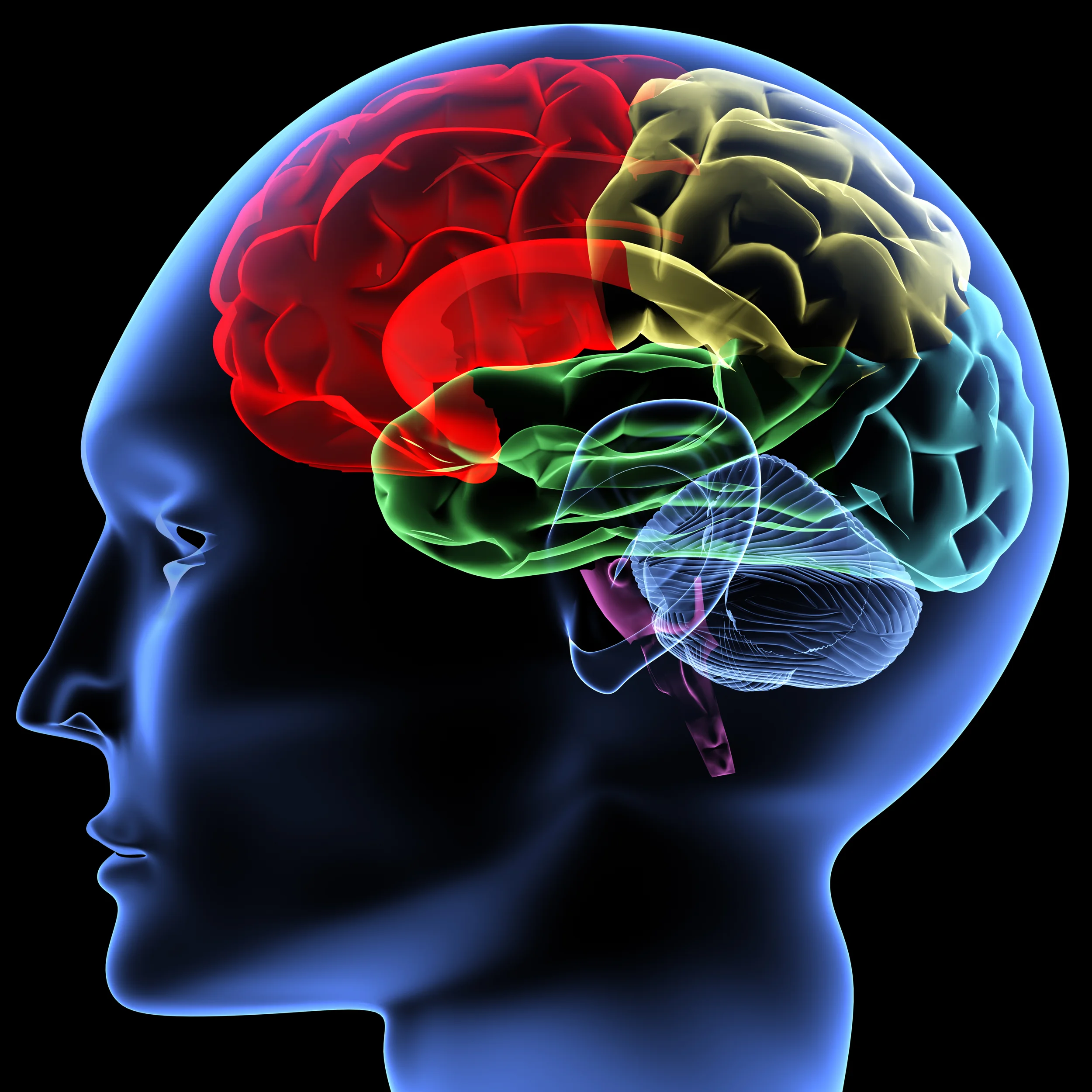
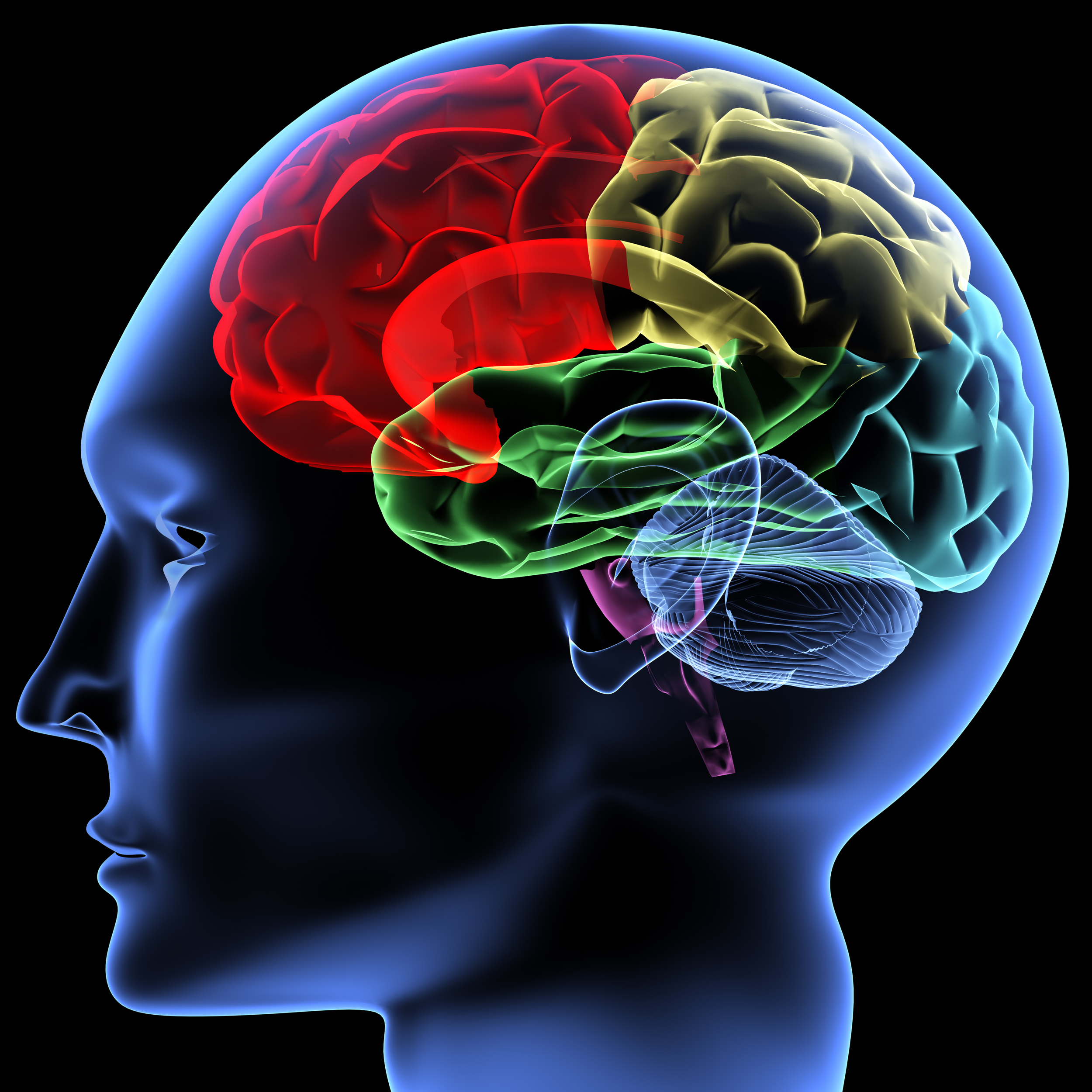
I like to think about it as our brains highjacking us. When this happens to me, I have to remind myself of a few things.
#1. Like Mike Dooley says, "Thoughts are Things, Choose the Good Ones."
If my thought is causing me worry, fear, anxiety or discomfort then I change it! When I first realized that I had control over this, it was amazingly powerful.
Here's an example of how it manifests in my life. Lately it's been focused on my sinuses. When I'm in negative thinking it sounds like: "My sinuses are never going to clear up. My allergies make my nose run and my eyes itchy. I'm so uncomfortable."
Then I can remember that these are just thoughts and thoughts can be changed. So, I can catch myself and shift it to "I am healthy. My sinuses are healthy and happy." Immediately I begin to feel better.
We forget that we are not our thoughts, not our brains. I like to think of the brain a little bit like a computer. It's a tool that we can control. Most of us don't realize this so we allow IT to control us. BUT we have the choice to think thoughts that we want and eliminate ones we don't.
#2 What We Focus On Expands
This is the power our thoughts have. You know it's true. The more I think "I have no money," the poorer I feel and the less money I actually do have. Instead, when I feel gratitude for what I have in my life, it helps me feel abundant and I attract more money to me.
Think the thoughts you want in your life. Thoughts of success and happiness. Thoughts of safety and perfect health. Mine your thoughts, become aware of what you say to yourself and choose kindness, love and compassion. For then you will have more of these in your life.
#3 We Aren't Our Thoughts
I'm stuck in my negative thought, "Why can't my sinuses heal?" and over and over the tape repeats until finally someone else in my head hears it. Who is that? The other voice who says, "Enough! Change that thought!"
Some people call this Self the eternal observer, the watcher, the aspect of us that is aligned with God. Ever present without beginning and without end, eternal. Some say this is the voice of God or the Universe or whatever label works for you.
When we can silent that small voice (the computer) we open ourselves up to hear from Divine source. This is true guidance, it's pure love and is our essential nature.
The way to hear this voice isn't by making the other voice wrong or bad, it's by going within, getting quiet and recognizing that we aren't that voice (the computer). We are so much more. We can ask for help, to be guided, to be able to hear this voice speak to us. It will for it is always there, waiting.
So the next time you catch yourself stuck in a rut of negative thinking, use these 3 reminders to get you unstuck, back on track and listening to the right voice.
How can this work for you?
Share one of your negative thoughts and how you changed it below in the comments.
And join our community! We'd love you to be a part of it. Simply fill in the boxes - it's FREE

Healthy Anti-Anxiety Medication That Works!
Everyone I know is stressed. We all have too much to do. Responsibilities at work pile up- the barrage of emails, phone calls, appointments. Then there's home. Kids need new sneakers, dental appointments, parent/teacher conferences. The list never ends. Home repairs, yoga class, and heaven forbid, an actual date!
If we're not careful life can blur by, our minds a state of chaotic frenzy. The pace of life seems to be increasing too and we move faster and faster. Until what?
No wonder most Americans are stressed. According to the National Institute of Mental Health, the United States is now the most anxious nation in the world.

Everyone I know is stressed. We all have too much to do. Responsibilities at work pile up- the barrage of emails, phone calls, appointments. Then there's home. Kids need new sneakers, dental appointments, parent/teacher conferences. The list never ends. Home repairs, yoga class, and heaven forbid, an actual date!
If we're not careful life can blur by, our minds a state of chaotic frenzy. The pace of life seems to be increasing too and we move faster and faster. Until what?
No wonder most Americans are stressed. According to the National Institute of Mental Health, the United States is now the most anxious nation in the world.
I used to fall into the crazed trap, running around like a maniac, heart racing, never feeling like I'd ever manage, let alone catch up. Stupidly, I continually added to my To Do List without taking anything off OR asking for help. Then one day I just ran out of steam. It was January, 2011. For seven years I'd been running a school while raising two girls. I went back to school in 2008 which soon involved internships of nearly 20 hours a week. Then I had sick family members to care for and, after I graduated in December, 2010, was simply done.
It wasn't until I finally stopped that I began to see how insane my life had become. Now it was time for me to re-evaluate and redefine how I wanted to show up in the world.
Here's what I decided:
1. Meditation is Key
I had always been meditating which is probably how I managed to get everything done in the first place but I renewed my commitment to silence and to giving the gift of communing with God to myself.
2. New Email Attitude
In Authentic Success, Robert Holden says, "you're inbox will be full even when you're dead." When I read that, a light bulb went off. "Wow! Now I won't feel pressured to read and answer everything." I unsubscribed from lists significantly reducing the quantity of emails I received. Then I scheduled times to actually read them rather than constantly being distracted by the inbox throughout the day.
3. Self Love is ALWAYS the Answer
I observed how many of my tasks were oriented towards others and felt obligatory rather than celebratory. Much of what I was doing was about getting attention and love (notice how much I got done today? Aren't you impressed? See how much I love you- I did this and this and this...) I made a list of everything I did and re-prioritized based on ME and what I now wanted in my life.
4. 80/20 Yeah, Baby
There is simply no way to get everything done and it is super easy to fall into overwhelm. In my attempt to avoid that awful place, I now try to choose wisely. I look at everything that purportedly needs to get done and pick the MOST important tasks.
5. Play Time
Schedule time just to have fun, whatever that means to you (because there's always more to do). For me, that's getting into a good novel, being in nature, doing art work or traveling. Play is re-energizing and allows for creative flow.
6. Leave Work AT Work
This is my super biggy. It's about reclaiming balance so that work doesn't consume and take over (you know it will). Conscientiously CLOSE your computer. Don't answer the phone. Take the evening to unwind, have a conversation with your daughter or husband. Maybe even enjoy a glass of wine!
These 6 life style modifications have enabled me to live more joyfully, less stressed and are great healthy alternatives to medication!
Let me know what YOU think. What's your way of de-stressing? Share in the comments. I SO want to know what works for you.
AND if you liked what you read, sign up for more!
I'd love to keep providing you with great ideas and strategies to have your life work better for you!

Living with Anxiety: 5 Ways to Cope

It isn't just them either. Perhaps I have a job but find an abnormal growth on my neck or a typhoon is bearing down on close relatives. How do we live with this level of chaos? It's hard not to let anxiety creep in, take over and steer life. Anxiety is caused by big events but also the little ones too. I have to get to work on time, my car won't start, I forgot my computer cord at home... sound familiar?
What do we do? Do we allow ourselves to get sucked into the vortex of chaos, stress out and be overwhelmed by anxiety? It's an option, for sure but the price is pretty high, especially on our bodies: increased heart problems, stroke, thyroid and adrenal troubles, challenges sleeping, alcohol/drug addiction, obesity. Truthfully, it's hard not to get affected. After all, life's often crazy and chaotic. It's easy to get sucked into it despite our best efforts.
I used to think, "when this is over (fill in the blank), everything will settle down and I can get on with my regularly scheduled life." That was my false belief for years. Until one day it suddenly dawned on me that what I was experiencing was life! Things are going along and then invariably, slam! Something happens - the water boiler explodes, a daughter gets stranded at the airport, the dog breaks his leg, Aunt Helen gets rushed to the hospital. Sound familiar? Of course because we all experience it every day; Life. Somehow the exciting events- the raise, the anniversary celebration, the new car, never seem to undermine us, only the unexpected ones. So how do we take the upswings, the excitements, as well as the downturns in stride? Here are some ideas to help make life's unexpected ups and downs more accepting:
- Perpective /Gratitude - Some people say perspective helps. Perhaps another way to think about this is being grateful for what we have in life. "I have a warm bed. I live in a safe community, I have a solid job. I have a supportive spouse. I have a reliable car. I am healthy." When we focus on what we have in our lives, what is good, we can attract more of that to us. We can also feel lucky as so many people struggle to feed their families, to have a roof overhead. So when unexpected things do happen, we feel more of a cushion. It seems small compared to all the good we are experiencing.
- Breathing - Sometimes when I get really nervous or anxious, I stop breathing. The first time I noticed this was when I was in a crew regatta in high school. My boat was sitting under a bridge on the Stotesbury River in Philadelphia. It was the final heat and our coxswain was trying to get us in position, always a challenge with 8 oars. I was so scared I simply ceased breathing, the worse thing to do while exercising! Suddenly I realized, "I'm not breathing!!!" I then had to consciously think about it, "inhale, exhale, inhale, exhale." before I knew it the gun went off and we were rowing our guts out toward the finish line. Breathing is a great way to help the body relax. Anxiety causes us to create adrenalin and puts us on hyper alert: fight or flight. But most of the time we are not about to be attacked by a lion. Maybe we are stuck in traffic or have a term paper to complete in 10 hours. Breathing can help the body relax and help us to step out of the freneticism caused by anxiety. It can clear the mind too to think more rationally so as not to just react to the current situation.
- Positive Thinking & Affirmations - Many people wake up feeling anxious or dread. Every Monday for the last month or so, that's been me. As if the week is daunting and I think, "Gulp, here I go, into unknown territory. So much to do..." How do I manage those feelings? I talk to myself as Lousie Hay would say, "in kind and loving ways." I use affirmations to help manage my mind talk. I have a great CD of hers entitled "101 Power Thoughts." It's a little intense because she literally powers through this massive list of affirmations. A few years ago when I had a long commute, I would listen to it in the morning and it made a huge difference for my day. One that really stuck with me from those drives was when she says, "my thoughts are my best friends." And my mind responded, "really, since when?" Then I realized, why not? Why should our thoughts be our worst critics? Can't they be our best friends instead? Now when I find myself feeling afraid, feeling dread, I try to channel my inner cheerleader and remind myself that "only good lies before me" that "everything I do brings me joy" and it really helps.
- Meditation - Of course I also meditate which is my biggest savior. I started meditating in 1997 when a teacher/friend of mine said. "you need to meditate every morning." To which I replied, "I don't have time." She looked at me and said, "Make time." I am grateful to Lily Diamond for that because it has changed my experience of living. Sometimes I describe what meditation does for me as creating space around me so that I don't take the craziness of the world so seriously. Most of the time that works but I am human and sometimes life just seems to push me over the edge and I fall right into the chaos. Many Spiritual teachers talk about not getting sucked into the chaos of the world - the politics, the environmental degradation, the pain and suffering, our own personal challenges. And I think sometimes this can be misunderstood and interpreted as that they don't care, not true. I care deeply about the world so much so that the poverty, clear cuts, and violence I read about have often left me in a heap of tears. I have been physically affected by global tragedies but this response isn't helpful to me or the world. To "live in the world but not of it" allows me to operate from a place of compassion without physically taking on the pain. This is why I love meditation.
- Exercise - Anxiety is felt in our minds and in our bodies. One of the best ways to manage it is to do physical exercise, particularly aerobic exercise. Not only does it help to clear the mind, it makes us feel physically better from the release of endorphins. Sometimes when I am really stressed, I go for a run and when I'm done, I feel like a different person!
We all get to experience this world and we get to decide how that is. Are we going to allow the chaos to unseat us and fill our bodies and minds with anxiety? Or are we going to utilize tools to help us manage our lives and ultimately feel more in control? Of course the choice is up to us.