
THE Shortcut to Happiness = Gratitude
This is the week of giving, when we pause in our busy lives to be with family and friends, to honor them and to reflect on what we are thankful for.
This year, my older daughter will not be with us since she is in France (lucky her.) But as I write this and contemplate gratitude, I find myself thinking about something she said to me at the beginning of the year, in January.
She’d returned home from the store with a box of cards and walked into the kitchen where she announced that she was going to send thank you cards to everyone before she returned to school.
It is the week of giving, when we pause in our busy lives to be with family and friends, to honor them and to reflect on what we are thankful for.
This year, my older daughter will not be with us since she is in France (lucky her.) But as I write this and contemplate gratitude, I find myself thinking about something she said to me at the beginning of the year, in January.
She’d returned home from the store with a box of cards and walked into the kitchen where she announced that she was going to send thank you cards to everyone before she returned to school. Naturally I was thrilled and immediately thought, good job, Shakti, you’ve trained her well. But before I could really pat myself on the back she went on to say:
“I read recently that it isn’t happy people who are grateful. It’s grateful people who are happy.”
Instantly I knew she was right.
In fact, gratitude is the fastest way to feel happy!
Perhaps then it isn’t the excitement of eating turkey, stuffing and cranberry sauce that creates the feelings of elation we have on Thanksgiving. Maybe it’s the simple fact that we have paused to be grateful.
And the studies prove this. One example is Dr. Martin Seligman’s work at the University of Pennsylvania. An intervention he measured was having participants write and deliver a gratitude letter. According to his findings, those who completed this task demonstrated a significant rise in their happiness scores and out of all the interventions, this one showed the highest increase in happiness.
So this Thursday, take advantage of Thanksgiving and use it to launch yourself into gratitude.
Here are a few simple ideas to start off with:
1. Have a Circle of Thanks
On Thanksgiving, go around the room or table and invite each person to share what he or she is grateful for. It can be a word, a sentence or more. Not only is it heart warming but tremendously insightful!
2. Make A Call
Take 5 minutes on Thanksgiving and call someone you love. Tell them how much you care about them and how thankful you are that this person is in your life.
3. Commit to Gratitude for 40 days
Starting on Thanksgiving and for the next 40 days, list 3-5 things you’re grateful for. It’s a wonderful way to start the day and can be as simple as thanking your bed for giving you a great sleep, or the shower for waking you up.
Then you can see if you agree with the researchers and my daughter. That gratitude is the shortest way to happiness. Happy Thanksgiving!
Tell me what you plan on doing this Thanksgiving.
Leave me a comment below!
And join our community now, it's FREE!
Living Regret Free? Here's How
When I was 28, I moved back to the United States after living in Asia for over 6 years. I came with my toddler and my new husband, and that was about it. Money was tight.
That summer while living on the west coast, I’d planned on visiting my family in New York but had put off the trip until December when I was sure life would be more financially secure.
My Nana turned 91 that August and I wanted to see her again as well as enable her to hold her great granddaughter whom she’d met a year earlier.
But I never got the chance.

When I was 28, I moved back to the United States after living in Asia for over 6 years. I came with my toddler and my new husband, and that was about it. Money was tight.
That summer while living on the west coast, I’d planned on visiting my family in New York but had put off the trip until December when I was sure life would be more financially secure.
My Nana turned 91 that August and I wanted to see her again as well as enable her to hold her great granddaughter whom she’d met a year earlier.
But I never got the chance.
In October my father called to tell me that Nana had gone into the hospital, complaining of shortness of breath and had passed away peacefully. I was in shock. My Nana, gone?
I’d lost a friend of mine recently. She’d had a brain aneurism and died instantly. Linda’s death was so sudden and seemingly random. And I’d struggled to put it together but Nana. Nana had been there my entire life. She’d been the sun in my gloomy life with her consummate smile and cheerful disposition. Now she was gone.
And then I felt it, regret.
If only I’d gone to see her in July. If only I’d seen her one last time. If only I’d told her how much I loved her.
Okay, I knew she was old. But somehow it never dawned on me that I wouldn’t see her again, that she wouldn’t be there for me. Nana had always been my constant. She’d visited my sister and me, every week when I was growing up. Regardless of where we’d lived, she’d shown up with laughter, food and hugs. That was Nana, loving and feeding us, always.
I felt awful. Not so much because she was gone, because I knew that was an inevitability. And I also knew she wasn’t really gone, because she wasn’t a body. I felt awful because I hadn’t said goodbye.
That’s when I decided that I would do my best to live my life with no regrets.
And all these years later I still do.
It works like this:
When I’m about to make a decision, I ask myself this question. “If you don’t do this will you regret it?"
The answer helps shape my actions.
Here’s an example. Not long ago I went back to school to get a Master’s Degree in Social Work. After I was done, I was pretty burned out. Working full time, having an internship and going to class every week for nearly two years was exhausting. It would have been really easy to be satisfied with that and not have pursued getting licensed. Being licensed was another 2-year commitment, more classes AND a rigorous exam.
The thought gnawed at me that I needed to get licensed but I just didn’t want to do the work. This went on for a few months and then I asked myself the question.
“Will you regret it if you don’t get licensed?”
And my answer was, “yes.”
So I sucked it up, jumped through the hoops of completing the paperwork, finding a supervisor, and started.
I use my regret question with big issues like that one but also with small ones too.
It’s a way to keep me moving through even some of the small tasks that I “don’t feel like doing” because they might be uncomfortable or if I’m in a situation that might never come around again.
Like if I go to South Beach and they’re offering para-sailing and I don’t go because it costs too much. I’ll use my question to confirm my decision. Because I don’t want to get home only to discover that I really wish I’d gone.
My regret question is especially prescient when a decision is related to a loved one.
Over the years I’ve come to realize the importance of communicating how much I love and cherish those around me and I want them to know it.
Let’s say I have a disagreement with my husband. I can hold on to that grievance and brood or I can elect to talk about it with him and process it. Why? Because I don’t want any unsaid words to cause regret.
I want him to always know how much I love and care about him.
After all, life is fleeting and we don’t ever really know how long we’re here. We can pretend that it’s “if we die” but the reality is it’s “when.” Being cognizant of that helps me live more authentically and clearly. Because my goal is to come to the end of my life and to honestly be able to say to myself that I have no regrets.
How about you? Would this work in your life?
Leave me a comment below!
And join our growing community, its' FREE!

I Used to Binge, Now I Don’t. Here’s What I Learned.
From my earliest memories food was always there. I see my nana serving meatballs, me polishing off an entire plate of food and getting fifty cents, walking to the new Haagen-Dazs for a vanilla cone. Food was there when people weren’t. Food was there when we had to move again. Food was there and eventually it began to keep love out.
I used to be the kind of person who lived to eat.

From my earliest memories food was always there. I see my nana serving meatballs, me polishing off an entire plate of food and getting fifty cents, walking to the new Haagen-Dazs for a vanilla cone.
Food was there when people weren’t. Food was there when we had to move again. Food was there and eventually it began to keep love out.
I used to be the kind of person who lived to eat.
I couldn’t wait to get home from school to make myself a bowl full of brownie mix and eat it, raw. As I kept gaining weight, my bingeing became secretive. I’d tiptoe into the kitchen, quietly open the cupboard, take a handful of cookies, and then run upstairs to my room.
But everything got much worse when I went away to boarding school.
In that accelerated academic environment, I experienced a new level of stress. It was the first time in my life that I wasn’t good at something, that I wasn’t a star. So I ate.
At times I couldn’t shove enough food into my mouth and often raided the vending machines in my dorm, buying candy bars and cookies, devouring packet after packet.
Bingeing haunted me throughout high school, college and into young adulthood.
Initially, food was comforting and provided relief but ultimately, after eating too much, I’d feel physically ill and then emotionally berate myself. I’d begin a diet and exercise program, succeed for a while, and then something would swing me invariably to the other side and I’d binge, undoing weeks of hard work.
Graduating from college, I was a good 50 pounds overweight when I wandered into a bookstore in Cambridge one day. There I discovered what cracked open for me the mystery around my eating disorder, Geneen Roth’s book, When Food is Love.
It awakened a desire to delve deeper and I began re-thinking my relationship with food.
Reading it, I suddenly saw that I’d been using food as a substitute for love. “Food was our love; eating was our way of being loved. Food was available when our parents weren’t… Food didn’t say no. Food didn’t hit. Food didn’t get drunk. Food was always there. Food tasted good… Food became the closest thing we knew of love.”
Roth’s philosophy is that when we deny ourselves, we want even more. That rebound is fierce and just takes over.
So I stopped dieting and began to follow her plan.
Eating whatever I wanted was a dream. I spent hours concocting recipes. Eating only when I was hungry and stopping when I was full was much harder.
That required me to feel my body which meant I actually had to be in my body.
I’d spent so many years hating it, why would I want to be in my body now? It was the enemy- ugly and fat. I was ashamed of it. Yet I knew this was part of my healing. I had to be willing to be present in my body and not emotionally run away.
Over time, I have come to see that this is the only way to heal, by being fully present.
It felt great to “listen to my body” but the problem was that I couldn’t sustain it. Sometimes, I’d be triggered by stress, fear, anger, upset, annoyance, anxiety, you name it, and I would binge. That was when I realized I had to go deeper. I had to go into some of the emotional triggers that were causing my desire to eat and begin to change myself from the inside out.
To completely release food and go from living to eat to eating to live, took me three years.
Three years of uncovering my triggers and beginning to love myself.
Here’s what I learned:
1. Food isn’t the problem. It’s the symptom.
The problem was that I felt like there was a giant hole inside of me that needed to be filled. I had to learn how to fill that hole with love- and that started with ME, with self-love.
2. Control
When I ate, I felt out of control, like life was unmanageable, too scary and I couldn’t deal with any if it. Food was like the anchor. When I dieted, then I was controlling food and obsessing over it. Either way, it was about control or the need to be in control. It was only in the act of letting food go, surrendering it, that I could be free.
3. Being Present
I used food to run away from my here and now and to numb myself to negative emotion. When I allowed myself to be present, I had to feel everything. And to my surprise, it didn’t destroy me. Instead, it enabled me to heal.
Food was my primary drug of choice.
But I think anyone who has struggled with addiction can relate. After all, the truth is that we eat or drink or drug because we feel inadequate, unworthy and unlovable. When we’re willing to look underneath the surface, we can discover the truth of who we are and the real healing can begin. It might not be easy but if I could do it, anyone can. All you need is the willingness, the desire to change your life. And I promise, you’re worth it.
Can You Relate?
Share with me below!
And sign up today -
Be a part of our growing community.
Feeling Afraid? Try Acknowledging It
When I was in my early 20s, I was offered a job in sales and design for a manufacturer in Hong Kong. My office was in a factory located in an industrialized and severely polluted part of the territories. After arriving and settling in, I quickly realized that it wasn’t the job for me. They hardly had anything for me to do and had hired me primarily as a favor to my mother. Every day I sat at my desk in a windowless room pretending to work. It was pretty awful.

When I was in my early 20s, I was offered a job in sales and design for a manufacturer in Hong Kong. My office was in a factory located in an industrialized and severely polluted part of the territories. After arriving and settling in, I quickly realized that it wasn’t the job for me.
They hardly had anything for me to do and had hired me primarily as a favor to my mother. Every day I sat at my desk in a windowless room pretending to work. It was pretty awful.
About six months later I mustered up the courage to quit.
I made a list of what I felt like I needed in my life. Things like: sunshine, variety, more than 2 weeks vacation, connection. Between my list and my language limitations -not speaking Cantonese- I decided I should become a teacher. In fact, it met all of my requirements!
And of course that’s what happened.
I was offered a position at an international high school. I was thrilled, my first real job. I excitedly began prepping for my English literature and language classes until the night before school officially began. That’s when it dawned on me.
My job was public speaking all day, every day and I panicked.
As a child, I'd loved performing but that had all changed in high school. I had a crisis in confidence resulting from being socially ostracized. Now I was shy and scared, and most importantly, had lost my voice.
I quickly ran out of my apartment and down to the lobby then took off walking. My building was located on a cliff overlooking the harbor and was dark and quiet. As I walked, my mind whirred.
“What am I going to do? I can’t believe this. How could I have been so stupid? I can’t public speak all day everyday.” That freaked out voice went on and on until another voice interjected.
This new voice said to me, “It’s just fear. Can you do it anyway?”
Recently I’d read William Faulkner’s acceptance speech. The one he had given upon receiving the Nobel Prize for Literature in 1950. He’d spoken about the pervasive fear in the United States caused by the Cold War and the impending doom of nuclear annihilation that hovered over us. He went on to say: “[the young writer] must teach himself that the basest of all things is to be afraid; and, teaching himself that, forget it forever…”
Huh. I began to reason with myself. Fear is just an emotion. Was I going to let it stop me from teaching? Could I go through with it anyway, even though I was scared?
And the answer was, “yes, I can” and that’s exactly what I did.
In that moment, I realized that I was bigger than my fear. I had allowed myself to recognize it, and then put it aside.
Shortly after this, I saw a film that reconfirmed what I had experienced. In the movie, one of the characters quotes a Spanish proverb.
Translated it was: “A life lived in fear is a life half lived.”
Sitting in that movie theatre, I resolved that I would not live a half-life. I wanted to live a full, rich, complete life; truly experience being alive. And if that meant learning how to deal with fear, then that’s what I was going to do.
That was more than two decades ago but I still feel the same way today. Of course, fear keeps knocking and every time, I have to pay attention.
And in that time here’s what I‘ve learned:
Just because I experience fear, it doesn’t mean it has to control me.
If I acknowledge it, then I can manage it. When I try to push fear away or drown it by eating too much, drinking or avoiding, it comes back even stronger. Instead, when I recognize the fear and face it, just like I did on that dark cliff in Hong Kong, then I can disable it. I relegate it to the back seat instead of allowing it to be the driver. This way fear becomes my fellow traveler and not my boss.
What have you found helpful in managing fear?
Leave a comment below!
And sign up to receive more news from Shakti!
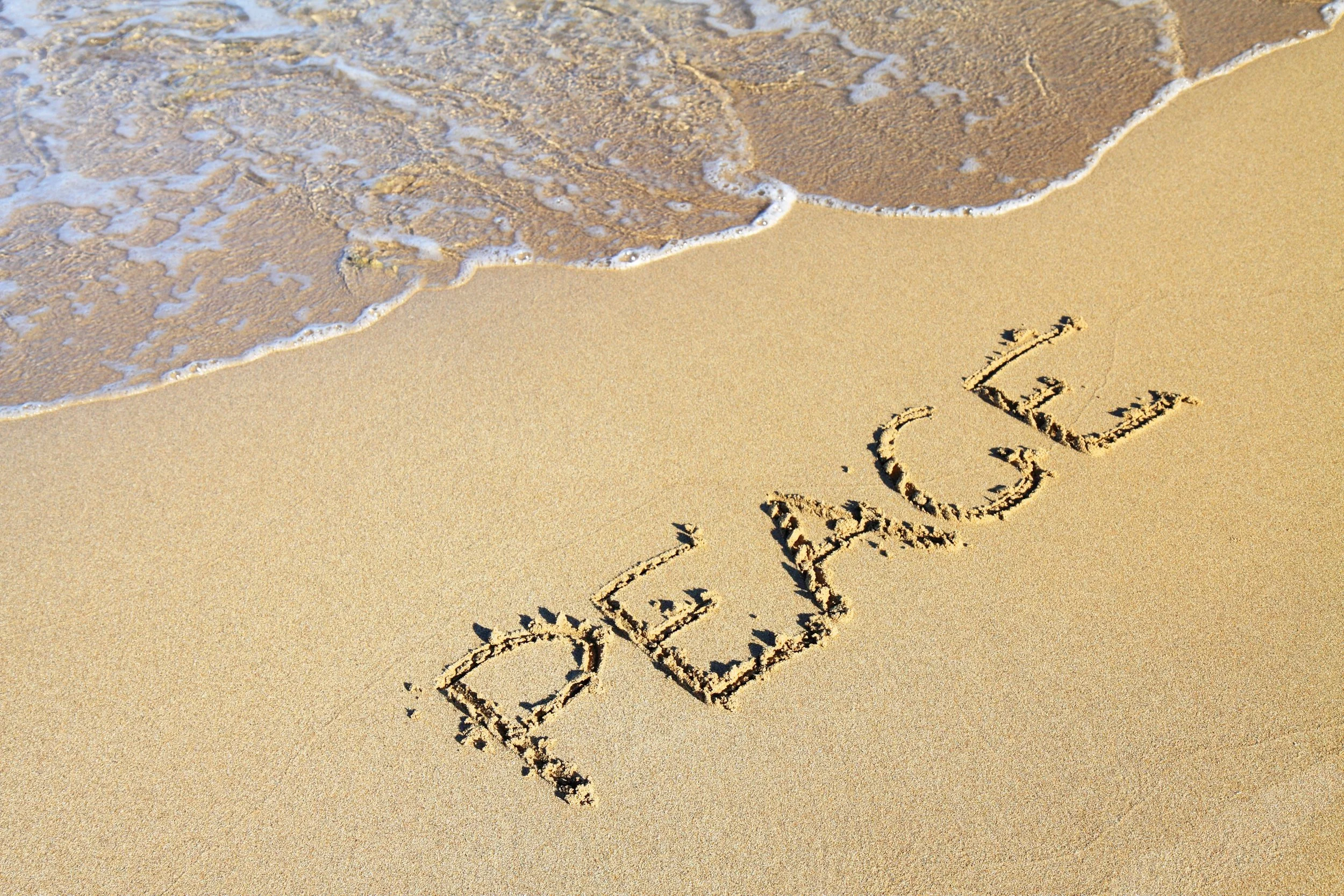
Finding Peace Amidst Crazy
It’s really easy to get sucked into busy. I watch people race around corners, speed talk into their phones, order lunch while texting. And I confess, I’ve been addicted to busy too.
Not long ago I was a single mom of two, and then started a business. If that wasn’t enough, a few years after that I went back to school and then… Yes, the list continues but not for long because soon I’d blown my adrenals; too much stress.
Guess what that felt like? Like having a constant panic attack. Instead of feeling no energy, I felt even more anxious, stressed out and crazed. Fortunately, I had a health practitioner who diagnosed it and I didn’t end up on anti-anxiety medication, just adrenal supplements. Almost immediately I felt calmer.
It’s really easy to get sucked into busy. I watch people race around corners, speed talk into their phones, order lunch while texting.
And I confess, I’ve been addicted to busy too.

Not long ago I was a single mom of two, and then started a business. If that wasn’t enough, a few years after that I went back to school and then… Yes, the list continues but not for long because soon I’d blown my adrenals; too much stress.
Guess what that felt like?
Like having a constant panic attack.
Instead of feeling no energy, I felt even more anxious, stressed out and crazed. Fortunately, I had a health practitioner who diagnosed it and I didn’t end up on anti-anxiety medication, just adrenal supplements. Almost immediately I felt calmer.
But here’s the thing.
A pill helped me feel better BUT I had to change my lifestyle AND confess that I was addicted to busy.
Busy is very alluring. After all, busy made me feel important. I had calls to make, appointments to attend, people waiting for me, more emails in my inbox than I could read. I mattered. I had value. I was doing, doing, doing until I dropped.
So now what? How to manage busy with balance?
Well, balance is a word that didn’t feel like it fit at all in my modern world. But when I started inserting small acts of self-care, rest and pleasure, it was easier for me to begin to release busy.
If you’re willing to try and alleviate busy, just a little bit, here are some easy ideas to slot right in:
1. Heading to Work? Try Breathing.
- Turn off the radio, close that magazine or newspaper and breathe.
- Do it for 5 minutes and count your breaths. Inhale ONE, exhale TWO until you get to ELEVEN. Then start over.
- Ignore the people staring at you or driving by.
- Focus on your breath. If you lose count, start over.
This will clear your mind and allow you to feel more focused when you get to work.
2. Stop at Lunchtime. Take 20 minutes -Go Sit Outside, Preferably by Water.
- Eat an apple or a yogurt (something satisfying but healthy-ish).
- Don’t look at your phone. In fact, don’t even bring it.
- Just listen to the water, look at it and stop.
If you do this, you’ll be amazed at its ability to recharge you.
The afternoon will be more productive, feel less stressed and fly by.
3. Fun. When’s the last time you had fun? What does fun even mean to you?
- Throw a Frisbee in your back yard or a nearby park with a spouse, friend or child.
- Dance around the living room to your favorite upbeat song.
- Play a board game like Clue, Pictionary or Twister instead of a computer one.
4. On Your Way Home? Instead of listening to the news or going through the home To Do List or menu planning -
- Put on some uplifting music. Something that will kick you into happy.
- How about Beethoven’s 9th Symphony and soar with Ode to Joy?
- If classical music isn’t your thing, try some banjo picking blue grass or choral South African rhythms.
- Find something that will instantly put a smile on your face and make your heart sing.
When you get home, you’ll feel clear and ready for the next task.
5. One Minute Mantra – Do this ANYTIME.
- Try it first thing when you wake up or at any point throughout the day.
- Pick an affirmation that will calm you down.
- It could be “I am safe” Or “I easily and effortlessly get everything done.”
- Maybe it’s “Creativity flows through me” or I am surrounded by love.”
- Take one of these or find a saying that feels good to you.
- When your mind starts with “I can’t….” or “I have too much to do…” and you feel the anxiety rising, embrace your statement.
- Just repeat it over and over. Instantly the anxiety should lessen.
Let me know how it goes and if busy feels suddenly less so.
Leave me a comment telling me which of these 5 YOU liked the best!
And sign up to stay in the know.

5 Quick & Easy Ways to Access Happiness
I've just spent the last 8 weeks immersed in happiness. And it wasn't just me, it was a class of people. We dug deep, explored and discussed what joy means to each of us and uncovered ways we limit happiness in our lives.
Here are 5 simple ways to experience happiness:
I've just spent the last 8 weeks immersed in happiness. And it wasn't just me, it was an entire class of people! We dug deeply and discussed what joy means to each of us and uncovered ways we limit happiness in our lives. Thought I'd share some of my highlights:
Here are 5 Simple Ways to Experience Happiness

1. Take the time
My first lesson was about remembering to take the time and ask the questions, “What is happiness to me?” “When do I feel happy?” And then to listen to the answer!
2. Gratitude is the shortest short cut to happiness.
Last January when Ayu was returning to college, she announced that she was going to write thank you cards to everyone. (Of course I thought, “good work, Shakti, she’s well trained”) but it turns out that obligation wasn’t her motivation. Instead she said, “I read recently that it isn’t happy people who are grateful it’s grateful people who are happy.” And it’s true, turns out that gratitude is the fast track to happiness. Why not start today?
Make a list right now of 5 things you’re grateful for.
3. To Be or Not to Be
When we just allow ourselves to be, rather than do, worry, or try to change, we are happy. After all, we are human beings not human doers although at times that’s easy to forget. This one is about taking time just to be. So here’s what I do:
- Lie outside and enjoy the sun on my face
- Sit at my desk and let the creative juices flow
- Walk through my mom’s backyard enjoying all her plantings.
Joy fills the moment.
4. Better Reception
Often times we forget to open up to receive because it might mean we have to do two things: Ask and then listen. God or the Uni-verse or whatever word you like for the great mystery that surrounds us, is on our side and is always supporting us. We have to help God by allowing ourselves to open up to receive all the love, goodness, kindness, prosperity, health that it has for us. Here’s an easy exercise:
- Ask for something you want more of (like creativity.)
- Then lie down with your arms over your head and feel creativity rain down on you.
5. The Only Block to Happiness is Me
From all the research I've done, I believe that joy is who we are. It's our innate nature. What keeps us from experiencing this ALL the time, is us. I tune in and out of joy – I forget, get consumed with emotion or worry, fear or anxiety. Joy is still there waiting patiently for me to return. Knowing that serves as a reminder that all I have to do is fiddle with my own internal radio dial and voila, joy is back.
LET me know which of these resonates with you.
OR share a way you connect to happiness by leaving a comment below.
And sign up to receive my blogs in your inbox free!

A Life Lesson from my 14-Year Old
Last week my 14-year old was being just that, a 14-year old. When I’d ask a question, I’d get a grunt or if I was lucky a one word answer. I knew in my heart that it wasn’t about me but as the days wore on and the behavior stayed the same I watched my tolerance expire.
Finally, I just couldn’t take it anymore.

Last week my 14-year old was being just that, a 14-year old. When I’d ask a question, I’d get a grunt or if I was lucky a one word answer. I knew in my heart that it wasn’t about me but as the days wore on and the behavior stayed the same I watched my tolerance expire.
Finally, I just couldn’t take it anymore.
Fortunately, I didn’t lose it in front of her, yell or express my frustration. Instead, I called a friend. “I need help. My daughter won’t talk to me and I’ve reached the end. I don’t think I can take another day of this.”
In our conversation, what ended up emerging wasn’t my daughter’s behavior but rather my response to her behavior. After all, I want to show up and be loving, supportive, kind, empathetic. Don’t you?
Instead I felt frustrated, irritated and annoyed. And that made me feel embarrassed.
What I wanted was to be able to keep riding it, let it wash over me like a wave, knowing that it was just temporary. I wanted to allow her the freedom to be where she was and how she was without being affected by it. But sometimes, in the moment, that’s hard to realize and easy to fall into defeat.
So why did my response bother me?
Underneath my disappointment about not showing up as a loving presence, was the fear that I was being a bad parent AND that behavior would have lasting effects.
Here’s how the unconscious thought went, “because I’m being a bad parent, I’ll never have a good, loving relationship with her.”
Talk about projection! Wow.
Once I got clear about my underlying fear and could satisfactorily let it go, I instantly felt calm, refreshed and no longer annoyed. In fact, I actually forgot that her behavior had been bothering me at all.
And guess what happened?
The next day my daughter was Miss Chatty in the car!
I’m constantly amazed at the truth of this. Every time I let go and shift my behavior, the whole dynamic changes.
So often we feel out of control or feel the need to change someone else or their behavior. But the ultimate lesson is that we can only control us or in my case, me. And when I do, when I own my reactions, face the triggers and release them, I free myself. And then, like magic, everything else changes.
Do you have a teenager? Have you experienced this?
Tell me about your journey in a comment below.
And sign up to join our growing community!
Yes My Family Can Drive Me Crazy
Ram Dass says, “if you think you’re enlightened go live with your family for a week.” Most days I’m thankful for the lessons I’ve learned from my loved ones. But some days, I’d rather be left alone.
Recently I had an opportunity to examine my own judgment from a situation that occurred. In my opinion, one of my family members, let’s call him Dave, had intentionally hurt another human being. I was deeply bothered by this.
The act seemed selfish and irrational and I was having a really hard time getting beyond it.
The phrase that kept repeating in my mind was, “ you can’t just kick people to the curb.”
Ram Dass says, “if you think you’re enlightened go live with your family for a week.” Most days I’m thankful for the lessons I’ve learned from my loved ones. But some days, I’d rather be left alone.
Recently I had an opportunity to examine my own judgment from a situation that occurred. In my opinion, one of my family members, let’s call him Dave, had intentionally hurt another human being. I was deeply bothered by this.
The act seemed selfish and irrational and I was having a really hard time getting beyond it.
The phrase that kept repeating in my mind was, “ you can’t just kick people to the curb.”
I actually got angry about it and purposefully distanced myself, choosing not to be around Dave. Then unexpectedly, he pulled into my driveway embodying everything that I felt like I didn’t stand for, selfishness, inauthenticity, and selling out. I struggled to plaster a smile on my face and couldn’t wait for him to leave.
5 minutes later I walked into my house ranting. “How could he… this is why I am the way I am…”
The knowing voice inside kept reminding me that I had to let it go.
This was his choice. It was his life. I had to forgive Dave but it was hard! I was clinging intensely to my own self-righteousness.
The next morning in my meditation, I received a teaching to release judgment for the day. I decided to embrace this lesson and have a judge free day.
There would be no “I like.”
No “What is he thinking?”
No “that was a silly choice…”
And I did!
It was wonderful. I felt free and light, clear and present. Later in the afternoon, I thought about Dave and suddenly realized I wasn’t angry anymore. It had floated away during my judge free day because after all, that’s what it was, my judgment of his behavior, my righteousness and desire to make his actions wrong.
Then something amazing happened.
Dave approached me having realized he was not proud of his behavior. We had an amazing heart to heart talk. I was able to say through love what I had observed and how it made me feel. And Dave could hear me because I wasn’t judging him, making him wrong or angry.
Because I forgave him, healing took place.
This never would have happened if I hadn’t released my own anger, judgment and righteousness. I felt so much gratitude for the entire event. Because what I was reminded of is that we never know the big picture, God’s plan. Maybe Dave needed that experience to finally stop a life long pattern. Maybe the (in my opinion) wronged person needed to learn something too. I’ll never know. I’m just grateful that I was able to show up open heartedly when the moment arose and love my family member completely.
Have you ever felt frustrated by a member of your family? What happened?
Leave me a comment below!
And be sure to sign up-
Get this blog in your INBOX today!

Who Are You?
In the last 40+ years I’ve asked myself this question, "Who Am I?" countless times. Sometimes when I hear it I see the caterpillar from Alice in Wonderland, smoking his hookah and looking sagely down at Alice. He pointedly and stiltedly inquires, “whoooo are youuuuu?”
Sometimes I hear Roger Daltrey’s voice belting it out “tell me who, who, who are you...”
When you’re asked, "who are you?" what’s the answer?

In the last 40+ years I’ve asked myself this question, Who Am I?" countless times. Sometimes when I hear it I see the caterpillar from Alice in Wonderland, smoking his hookah and looking sagely down at Alice. He pointedly and stiltedly inquires, “whoooo are youuuuu?”
Sometimes I hear Roger Daltrey’s voice belting it out “tell me who, who, who are you...”
When you’re asked, "who are you?" what’s the answer?
Is it an automatic default with responses like: “I’m a woman (man), a wife (husband), a daughter (son), a mother (father), a student… “
It’s pretty common to identify with roles we play in our lives because, to a large extent, they define us or we allow them to define us.
Once I really committed to a spiritual path though, this question seemed to haunt me. I say this because it was like I had to go deeper with it, deeper than the external roles I play and that I thought defined me.
I am a body- a female, blonde, tallish… or am I?
Am I really a body, separate from everything? But I am more than just a body.
I’m a soul, a part of the one-ness of the Uni-verse.
I’ve been tricked into thinking I’m a body. But who I am, my soul, is eternal, never dies.
There’s a famous Indian saint named Sri Ramana Maharshi who is often quoted as asking his students that question, “Who Are you?"
I used to imagine him asking me that question and staring at him blankly, feeling completely empty and void of a single idea.
Apparently, though his goal in asking the question wasn’t necessarily to get an answer but to encourage self-reflection.
In other words, to go deeper.
Not to have it be a ‘mind’ exercise but to really contemplate our basic consciousness, our true nature or essential being. And as we do this, we see that we are not a role, not a body, that we are part of the whole, infinite one-ness or God, the Uni-verse or whatever word you like.
In fact, it isn’t actually a question at all but a statement, “I am…”
And therein lies its power.
If we know that we are part of God, that we co-create our world, then “I am” becomes how we define the vastness and greatness of who we are. The limits, definitions or roles are simply ways we make ourselves smaller, not believing that we are indeed capable of greatness.
As Marianne Williamson so eloquently stated in A Return to Love:
Our deepest fear is not that we are inadequate. Our deepest fear is that we are powerful beyond measure. It is our light, not our darkness that most frightens us. We ask ourselves, Who am I to be brilliant, gorgeous, talented, and fabulous? Actually, who are you not to be? You are a child of God. Your playing small does not serve the world. There is nothing enlightened about shrinking so that other people will not feel insecure around you. We are all meant to shine, as children do. We were born to make manifest the glory of God that is within us. It is not just in some of us; it is in everyone and as we let our own light shine, we unconsciously give others permission to do the same. As we are liberated from our own fear, our presence automatically liberates others.
So, the next time you hear the question, “Who are you?” what will you say?
Write your answer below!
And if you haven't already, sign up to receive these blogs directly in your inbox!
A Real Ghostwriter
As many of you know, I’ve been working on a memoir about my life and my sister, Melissa’s life for a while now. In fact, I’m coming up on the 1-year anniversary of my computer crash and losing a huge chunk of that manuscript. An error which cost me a few months of time spent re-writing what I’d been too remiss to save. I was determined last fall though to complete an initial manuscript and move on to the next phase, whatever that was.

As many of you know, I’ve been working on a memoir about my life and my sister, Melissa’s life for a while now. In fact, I’m coming up on the 1-year anniversary of my computer crash and losing a huge chunk of that manuscript. An error which cost me a few months of time spent re-writing what I’d been too remiss to save. I was determined last fall though to complete an initial manuscript and move on to the next phase, whatever that was.
It turns out that for me, the next phase is working with a plot coach!
I’ve teamed up with a woman who works in Los Angeles -mostly on scripts- and she’s helping me take what I’ve done so far and restructure it so that (ideally) it reads like a page turner! Sounds promising, right?
The night before my first plot coaching call, I coincidentally had an astrological consult.
In my reading, of course we discussed this book- about Melissa and me. And the astrologer said, “you know how sometimes authors use ghostwriters to help them with their stories?”
“Yes,” I replied, knowing what a ghostwriter is -someone who helps the author convey their story if they neither possess the time nor proclivity to do the actual writing.
“Well,” he continued, “in your case it’s like you have an actual ghost writer.”
Yes, I thought, I do!
And that reminded me of how I started this project in the first place. It was July, 2012. I was in New Hampshire. Govinda, my husband, was in class from 7:30 am until 6:00 pm every weekday for 3 weeks. I was all alone – no children, no chores, no shoulds no have-tos.
The little voice in my head said, “great, now you have time to write.”
I did an excellent job of ignoring that voice for a week opting instead to mostly lose myself in other people’s writing, easily polishing off two novels. But then when week 2 rolled around the voice got a whole lot louder.
“Fine! I’ll start writing” I retorted by Tuesday of week 2. I pulled out a pad and a pen and started writing. Then the thoughts came. “What should I write about?”
I tried to go along one vein, then another. Everything sounded trite, boring or mundane. I quickly began dissolving into insecurity and fear. Soon I was lying on the ground, curled up crying. My mind chatter pummeling me with dejecting words.
And then Melissa spoke to me.
“Tell our story.”
“Really?” I replied. “Are you sure you want me to do that? It might not be so nice.”
“Tell our story.”
“Alright.”
I sat up and grabbed the pad that had fallen along side me. Instantly an entire outline came to me along with a name, Irish Twins. In five minutes it was all written down.
Suddenly I was on my way.
Two years later, she still whispers in my ear and my hope is she will continue to do so until the project is done. Because, as my astrologer, Dale said, I do have a real ghostwriter.
Have you ever wanted to do a project and got stuck?
Did you get help?
Share your story below!
I'd love to hear it.
And sign up to get my weekly blog directly to your inbox.
You Said NOTHING?
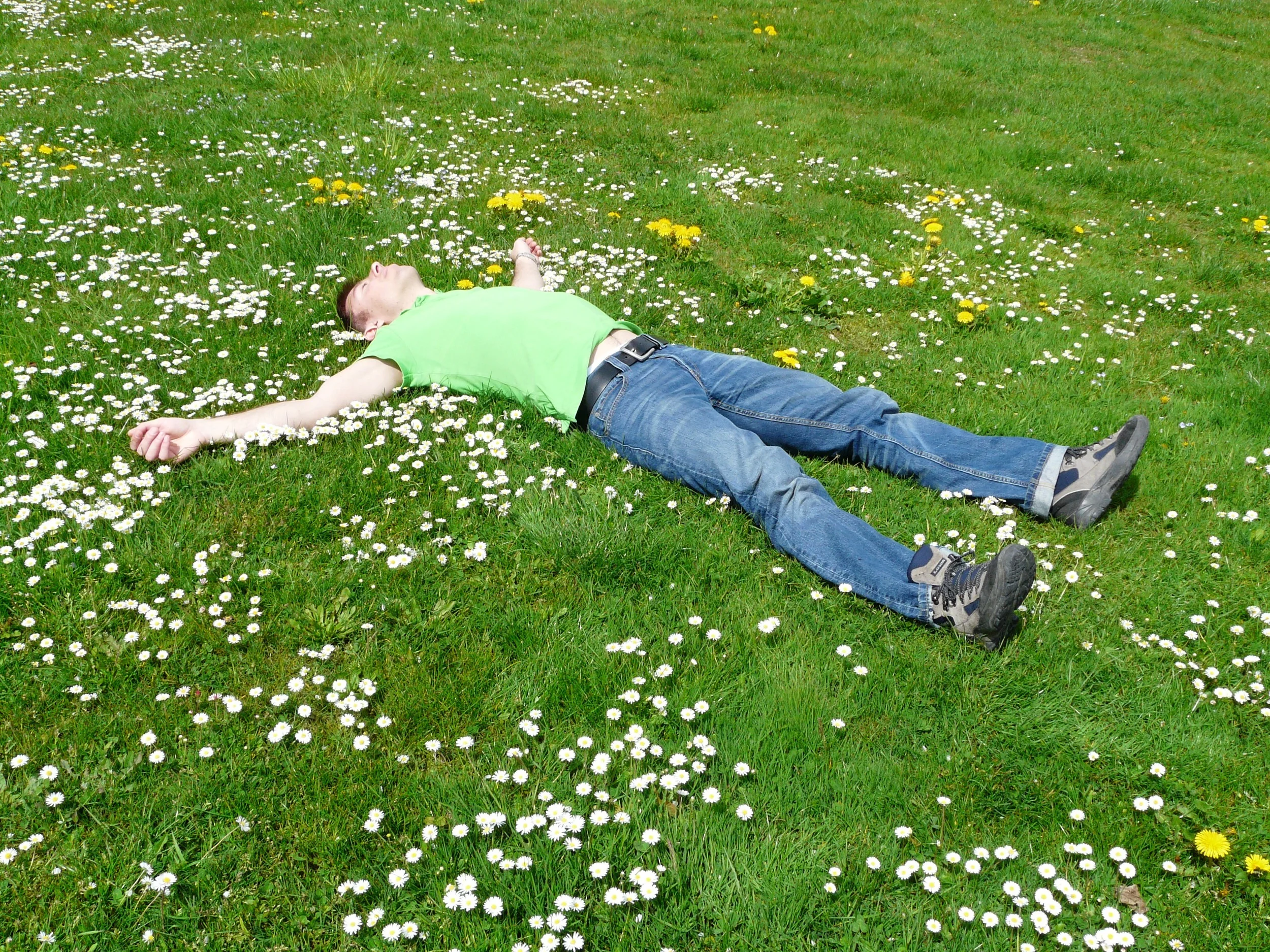
Sometimes life can feel like an endless To Do List. This weekend, while I contemplated relaxing, got eaten up instead with household chores, entertaining and childcare.
Suddenly it's Monday again! The have-tos start as soon as the alarm goes off and the week can easily be absorbed with task fulfillment and checked boxes.
When this happens, my life begins to feel like a treadmill.
I walk, run, sprint but am on this endless go round. That’s when a little thought enters my mind and suggests it might be time to stop and do... nothing.

Sometimes life can feel like an endless To Do List. This weekend, while I contemplated relaxing, got eaten up instead with household chores, entertaining and childcare.
Suddenly it's Monday again! The have-tos start as soon as the alarm goes off and the week can easily be absorbed with task fulfillment and checked boxes.
When this happens, my life begins to feel like a treadmill.
I walk, run, sprint but am on this endless go round. That’s when a little thought enters my mind and suggests it might be time to stop and do... nothing.
That's right, I said it, do nothing.
This is like the antithesis of the American way now. In fact, think about how we meet and greet people. More and more often we say, "Hey, how ya doin'?" or "What did you do over the weekend?" We're conditioning ourselves to be rewarded by accomplishments, achievements, lists completed.
Isn't it a little embarrassing to walk into work after a long weekend and in response to "What did you do?" your answer might be "nothing." Do we not want to admit that? If we do we might be perceived as lazy, a slacker or even an avoider.
And it isn’t just weekends, Americans take less time off than any other workers in developed nations.
Not only do we have less vacation days than other countries -on average Americans get 10 paid days per year and 6 paid holidays versus a minimum of 20 in the EU. Studies also indicate that 51% of American workers don't even use all of their vacation time. What's more 61% actually work while they're on vacation. So even when we do finally take a few days off, it’s pretty common to be on the phone or checking email. Like we just can’t turn off or unplug.
For the past year, I've consciously made an effort at being less of a Do-er. Trying to slow down and check out.
To transition myself, I’ve been actively working on two concepts:
The first one is busyness.
Somehow because Americans have become these formidable Do-ers, we derive our self worth from that: doing- accomplishing, achieving, crossing all the items off the to-do list. When I’m trapped in that cycle I never have enough time. There's always too much to do. I run from task to task feeling rushed and anxious, knowing I'll never get it all done.
My first step was getting off the busy ride.
I decided it was okay not to get everything done. I was going to survive if I sent that email tomorrow, went to the post office on Friday or delayed a meeting until next week. The sky didn't fall, the business didn't close, and no one seemed put out.
Slowing down and being more realistic with my "have tos" has made my life feel increasingly peaceful and less stressful. In fact, I’m even learning how to say no! As in, it's ok not to do everything!
The second lesson as I keep moving away from busy is toward relaxing.
At first I implemented this just with my schedule. I started limiting the hours that I worked in a day adding more down time, exercise time, and trying to find a balance that felt good to me. I no longer wanted to feel like my life was so heavily lopsided by work.
It's been about a year since I've implemented this and overall, I accomplish as much if not more than I did rushing and feeling stressed. But I don't feel nearly as much anxiety, worry or tension.
Now the next phase is relaxing even more into the flow.
What I mean exactly is that I tend by nature to be impatient. I want everything done yesterday. Because of this, I can push, push, push instead of allowing something to unfold.
As part of my year exploring trust, I’ve come to understand that relaxing into life is really an exercise in trust. If I trust that my outcome is assured, or that only good will come to me then I can relax and not worry. I don't have to constantly shore up, fixate or feel the need to do, do, do. I can relax into knowing.
Last week I read a line in A Course in Miracles that says, "who would attempt to fly with the tiny wings of a sparrow when the mighty power of an eagle has been given him?"
And to me, that's relaxing into trust.
Why should I constantly try to flap with these mini wings, pushing with all my might when the Universe (or God or whatever word you like) can do it for me?
This feels so much better. It doesn't mean I lie on the couch ALL day, reading and watching movies. But it does mean that I smile more, am clear about how to cherish everyday and enjoy the ride that is this amazing journey of life, knowing that it’s all happening in the perfect time.
How do you experience your life?
Do you make time to relax?
Tell me what works for you by leaving a comment below.
Liked what you read?
Join our community, it’s FREE!

Happiness Is...
After spending the first 8 months of 2011 grieving and trying to get my life back together after losing both my sister and father in 3 months, I realized it was time for me to focus on me. Having been a pleaser and caretaker most of my life, this task felt daunting and I didn’t even know where to begin.
But as most things go, the Universe helped me out. A friend lent me a book about happiness by Dr. Robert Holden and immediately I knew I wanted to learn not only more about his ideas BUT also how to facilitate this work. Next thing, I was signing up to attend his happiness coaching certification in New York. I was ready finally to learn precisely how to be happy.
Turns out that there are different kinds of happiness (who knew?)

After spending the first 8 months of 2011 grieving and trying to get my life back together after losing both my sister and father in 3 months, I realized it was time for me to focus on me. Having been a pleaser and caretaker most of my life, this task felt daunting and I didn’t even know where to begin.
But as most things go, the Universe helped me out. A friend lent me a book about happiness by Dr. Robert Holden and immediately I knew I wanted to learn not only more about his ideas BUT also how to facilitate this work. Next thing, I was signing up to attend his happiness coaching certification in New York. I was finally ready to learn precisely how to be happy.
There are different kinds of happiness (who knew?)
Robert defined happiness as pleasure, satisfaction and joy.
What’s pleasure?
Pleasure is a great piece of chocolate, a superb glass of wine. It’s what we enjoy through our senses, our bodies. And it feels good!
However, pleasure relies on a stimulus. I need to drink my coffee in order to feel pleasure and then when my coffee's gone, so is that pleasurable experience. It’s also exclusive to me. For example, I like dark chocolate but my daughter likes milk chocolate. Pleasure exists in duality too meaning that it has an opposite… pain.
We’ve all experienced pleasure, right? And pain…
The second kind of happiness we experience is satisfaction.
Satisfaction is the type of happiness most researched. So for you what’s satisfaction? Is it a job well done? A task completed? That feeling after you’ve finished a work out?
Satisfaction again is a result of something else. It’s causal like pleasure. "I am happy because…I ran 2 miles, got an A on that paper, have great friends…”
The cool thing about satisfaction is that it feels good AND it increases our ability to access gratification helping us be receptive to more satisfaction. We also experience it emotionally and mentally.
Satisfaction has a few problems though. Again, it’s short lived and exists in duality with its opposite being dissatisfaction. It can also be influenced by expectation and comparison and is largely based on our emotions.
The third definition or kind of happiness is joy.
What does joy mean to you? I like to think of joy as happy for no reason. It shares some attributes with pleasure since we feel joy physically. We can also experience it mentally and emotionally like satisfaction. But it’s more than any of those things in fact joy is simply bigger that our bodies, our egos, our personalities.
It’s pretty hard to define joy but we sure can describe it!
It’s happiness that bubbles out of us effortlessly. It’s the smile you can’t take off. And joy has specific qualities to it.
The first one is constancy.
Joy never goes away. WE wander away from joy when our attention and awareness strays but joy is always there for us to access.
Joy is the source of creativity.
It's the fountain. For those of us who grew up with the idea of the tortured artist, this is a big reversal. Turns out that joy feeds our creativity way more, hmmmm.
Joy is unreasonable.
That’s the “I’m happy for no reason.” Simply because. I'm choosing to tune into joy because it feels so good.
Joy has no opposite nor is it subject to mood swings or the craziness of the world.
Joy has a twin, which is love.
There are people who describe experiencing true joy or love in the midst of terrible suffering. People like Victor Frankl, an Austrian neurologist and psychiatrist imprisoned in concentration camps during WWII and a holocaust survivor. He writes in Man's Search for Meaning:
“For the first time in my life I saw the truth as it is set into song by so many poets, proclaimed as the final wisdom by so many thinkers. The truth - that Love is the ultimate and highest goal to which man can aspire. Then I grasped the meaning of the greatest secret that human poetry and human thought and belief have to impart: The salvation of man is through love and in love.”
Joy is enough.
We can experience a fall out from pleasure or satisfaction because they are temporary. But this never happens with joy. It's constant and completely fulfilling.
Turns out that true happiness is JOY.
The good news is, we can still appreciate and embrace pleasure and satisfaction, and joy. We can have it all!
But if we don’t work on connecting to joy, no matter how much pleasure or satisfaction we have, we’ll never feel happy. And if we fixate on pleasure or satisfaction, it can turn on us- making us into workaholics, addicts or create other excessive behaviors. Why? Because both pleasure and satisfaction are temporary.
If we tune into JOY it will enable us to have even more healthy pleasure and worldly satisfaction.
Here’s a quick video to re-enforce these concepts.
What do you think of these 3 definitions?
Leave a comment with your thoughts below.
And if you haven't yet, join our community today!
Don’t Let Time Pass You By
As most of you know, I’m teaching a happiness workshop this fall. In fact, it started last night and we'll be meeting together, exploring what happiness means to us for the next 8 weeks. I am thrilled to be on this adventure!
For the past couple of months leading up to last night I spent a lot of time reading and researching to see what the “experts” can tell us about happiness. One of the books I came upon is called, The Happiness Project written by Gretchen Rubin. In it she describes how she spent a year doing a research project in her life, planning various activities and behavior shifts each month to increase her level of happiness.
As most of you know, I’m teaching a happiness workshop this fall. In fact, it started last night and we will be meeting together, exploring what happiness means to us for the next 8 weeks. I am thrilled to be on this adventure!
For the past couple of months leading up to last night I spent a lot of time reading and researching to see what the “experts” can tell us about happiness. One of the books I came upon is called, The Happiness Project written by Gretchen Rubin. In it she describes how she spent a year doing a research project in her life, planning various activities and behavior shifts each month to increase her level of happiness.
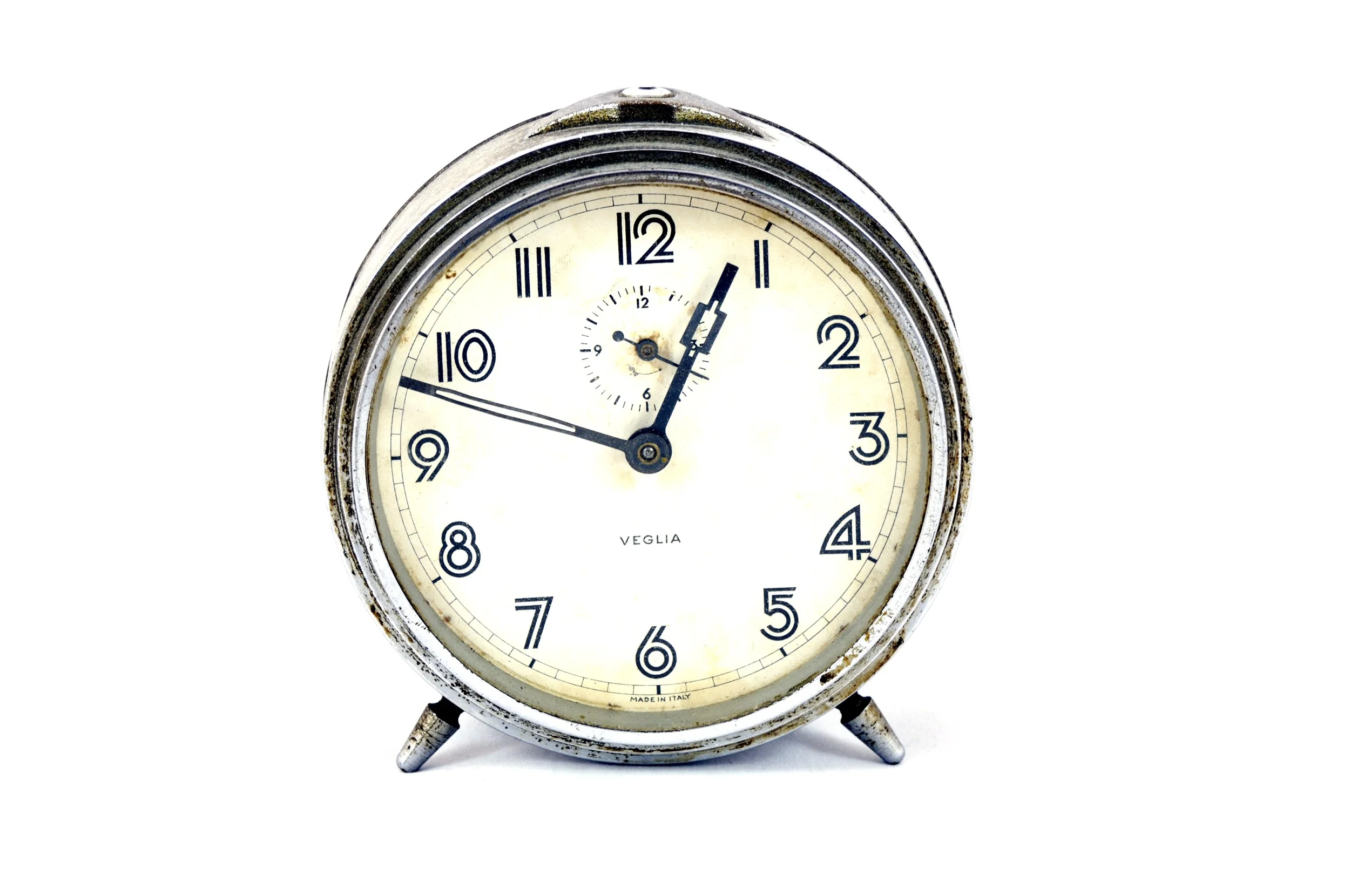
One of the truisms she discovered during this year of exploration is “the days are long but the years are short.”
I really resonated with that.
Sometimes a day can feel interminable, never ending especially when I’m stuck doing things I don’t particularly love like housework. But when I look back to even this past year, now that it’s September, I think, “holy smokes, where has the year gone?”
After reading that line, I’ve decided to really make an even greater effort to enjoy my days, relish them, fill them (as much as I can) with all the things that make life worth living.
Things like:
Appreciating the sunny day
Noticing the flowers blooming next to my car
Bending down and taking a few moments to pet my dog
Relishing time spent with loved ones
Carving out an hour to be creative – in whatever way that is- dancing, collage, beading, cooking
Calling an old friend
Because I don’t want my year to end only to feel like I haven’t fully lived it with passion, determination, fun and caring.
The days are long but the years are short.
So even if the day seems long, what can you do to bring some sunshine into it?
Can you take a 5 minute break and listen to an uplifting song? Can you smile at a stranger for no reason? How about waving at the mail carrier or picking up a chocolate or some flowers for your honey?
Let me know if you have a good idea to brighten up your day.
Leave a comment below.
And join our growing community, sign up today.
You Want Me?
A few weeks ago I watched Annie Hall, the Woody Allen movie starring Diane Keaton and Woody Allen. I hadn't seen it in over 30 years and probably laughed harder and appreciated it more this time around.
The movie essentially is a study in Alvy Singer's (played by Woody Allen) rejection of the women in his life because he can't possibly fathom why they would want to be with him let alone love him.
He even likens it to the old Groucho Marx joke, " I don't care to belong to any club that will have me as a member."
In the film, we watch as Alvy systematically sabotages his relationships only to then regret it after they're over.
But then something weird happened. I actually started to see this same pattern playing out with people I knew in my everyday life. Twice I witnessed one partner goading the other, speaking harshly almost like the desire was to reject, push away, or create cause for a break up.
A few weeks ago I watched Annie Hall, the Woody Allen movie starring Diane Keaton and Woody Allen. I hadn't seen it in over 30 years and probably laughed harder and appreciated it more this time around.
The movie essentially is a study in Alvy Singer's (played by Woody Allen) rejection of the women in his life because he can't possibly fathom why they would want to be with him let alone love him.
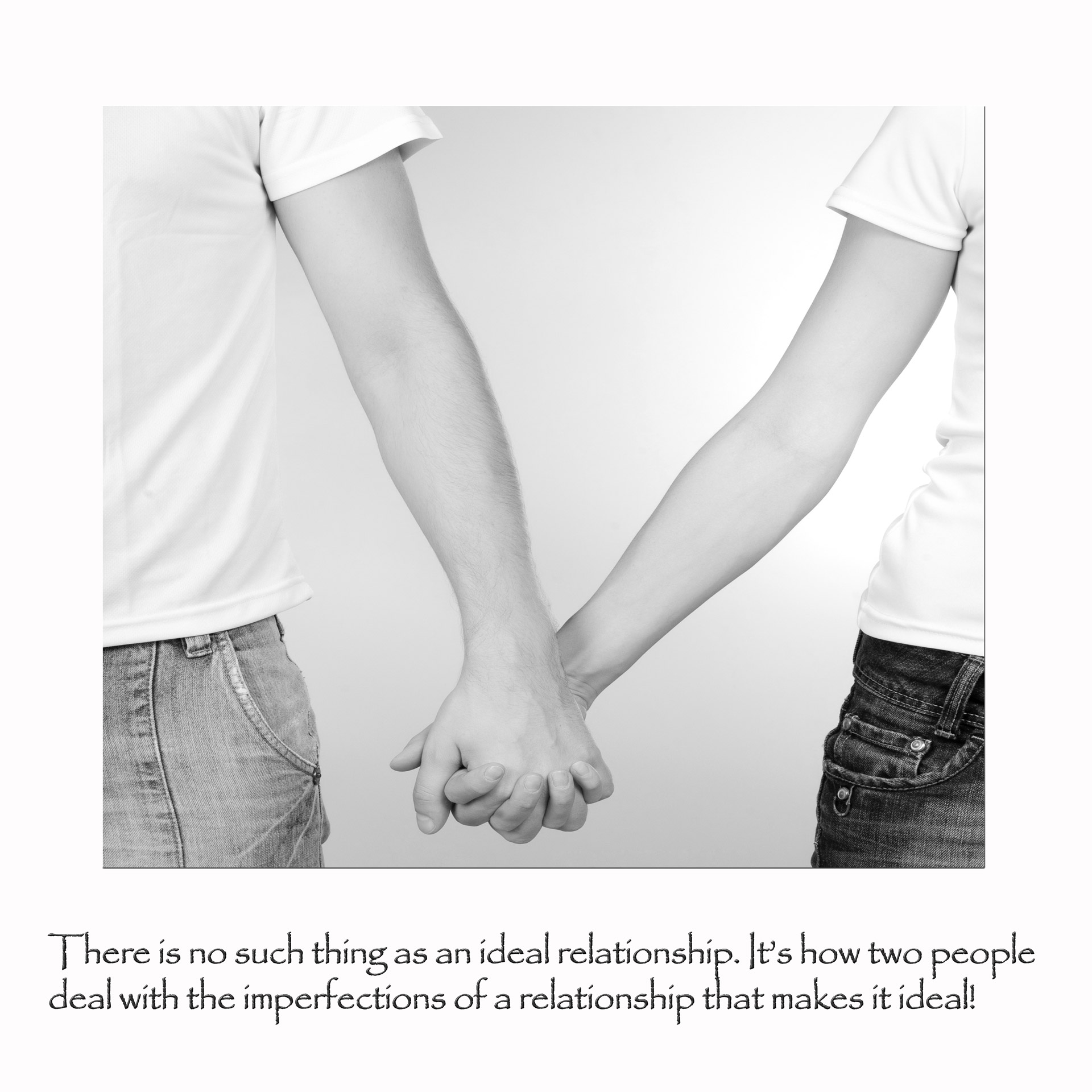
He even likens it to the old Groucho Marx joke, " I don't care to belong to any club that will have me as a member."
In the film, we watch as Alvy systematically sabotages his relationships only to then regret it after they're over.
But then something weird happened. I actually started to see this same pattern playing out with people I knew in my everyday life. Twice I witnessed one partner goading the other, speaking harshly almost like the desire was to reject, push away, or create cause for a break up.
And that got me thinking. Is this problem really pervasive? Because obviously it wasn't just a pretense in a movie. It was happening in real life, right in front of me.
If it is pervasive, then what's at the root of it? Why would someone intentionally sabotage a relationship?
The answer that came to me was deservability.
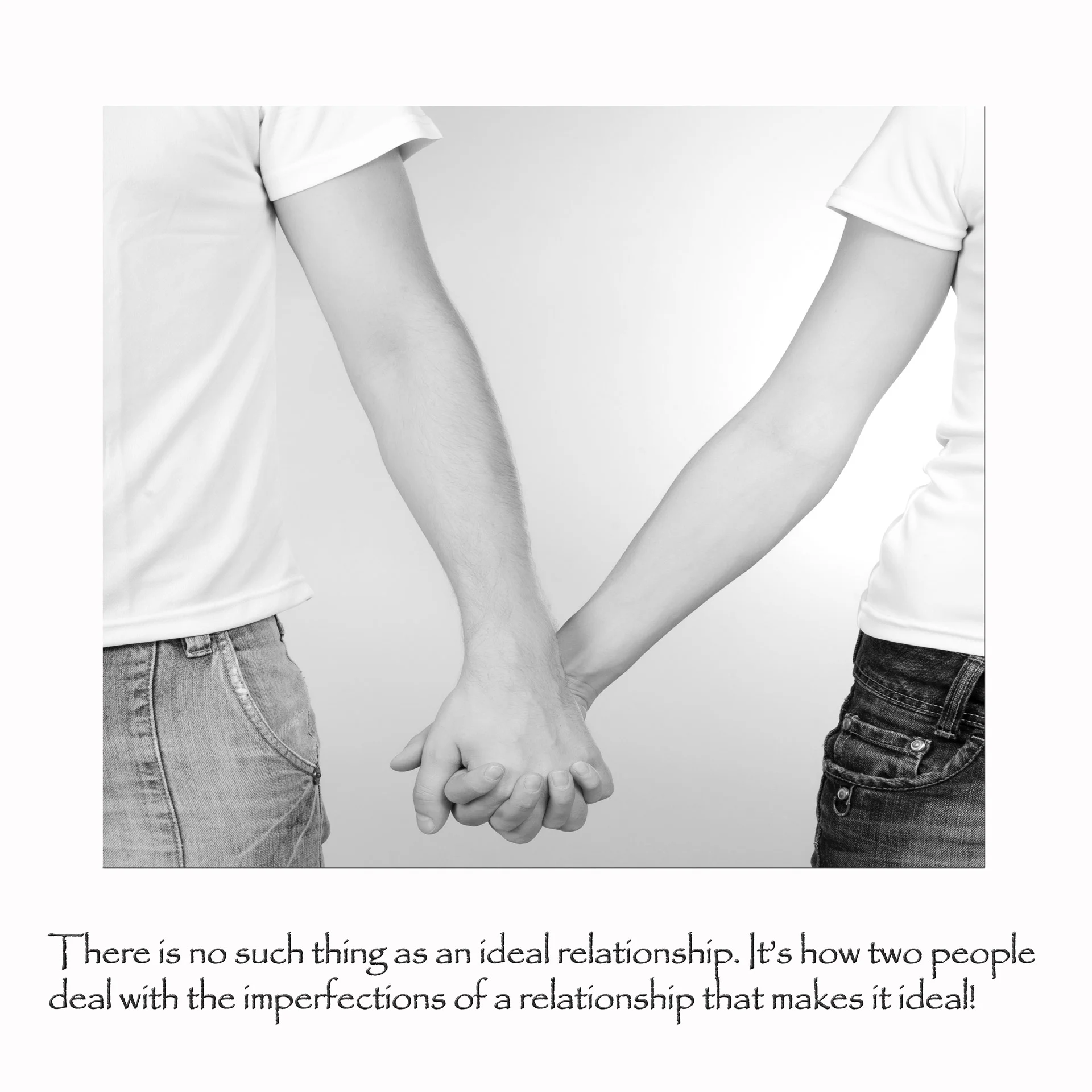
If we don't think we deserve love then we want to reject it.
I know this situation well. In college I was in a long term relationship with a man who I deeply loved. More importantly, he genuinely loved me. But I wasn't ready to receive that love. I didn't think I was worthy of it, that I deserved it. I was fat, directionless, semi-unmotivated, passive aggressive. Why, would a handsome, smart, ambitious guy like that really love me?
So you know the story. We broke up, went our separate ways, created lives, etc. It took me at least a decade to realize that he loved me at a level that I simply could not receive.
His capacity to love me was larger than my ability to accept it.
If you're reading this and thinking- I might be pushing away my partner because I don't think I deserve to be loved. Maybe it's time to change.
The question to ask then is: "Are you ready to receive love?"
Then it's time to claim it definitively. Yes, I deserve to be loved. As much as I love others, I deserve to be loved.
There's an affirmation Louise Hay shares where she compares being loved to breathing. She says:
"We do not have to earn the right to breathe. It is God given because we exist. So too is the right to love and be loved. The fact that we exist means that we are worth loving."
So, what do you think? Just because the club wants you is that a bad thing or could it be the opportunity you've been waiting for all this time?
Can you relate to this? Have you ever pushed love away?
Leave a comment with your story.
And join our online community.
It's free!
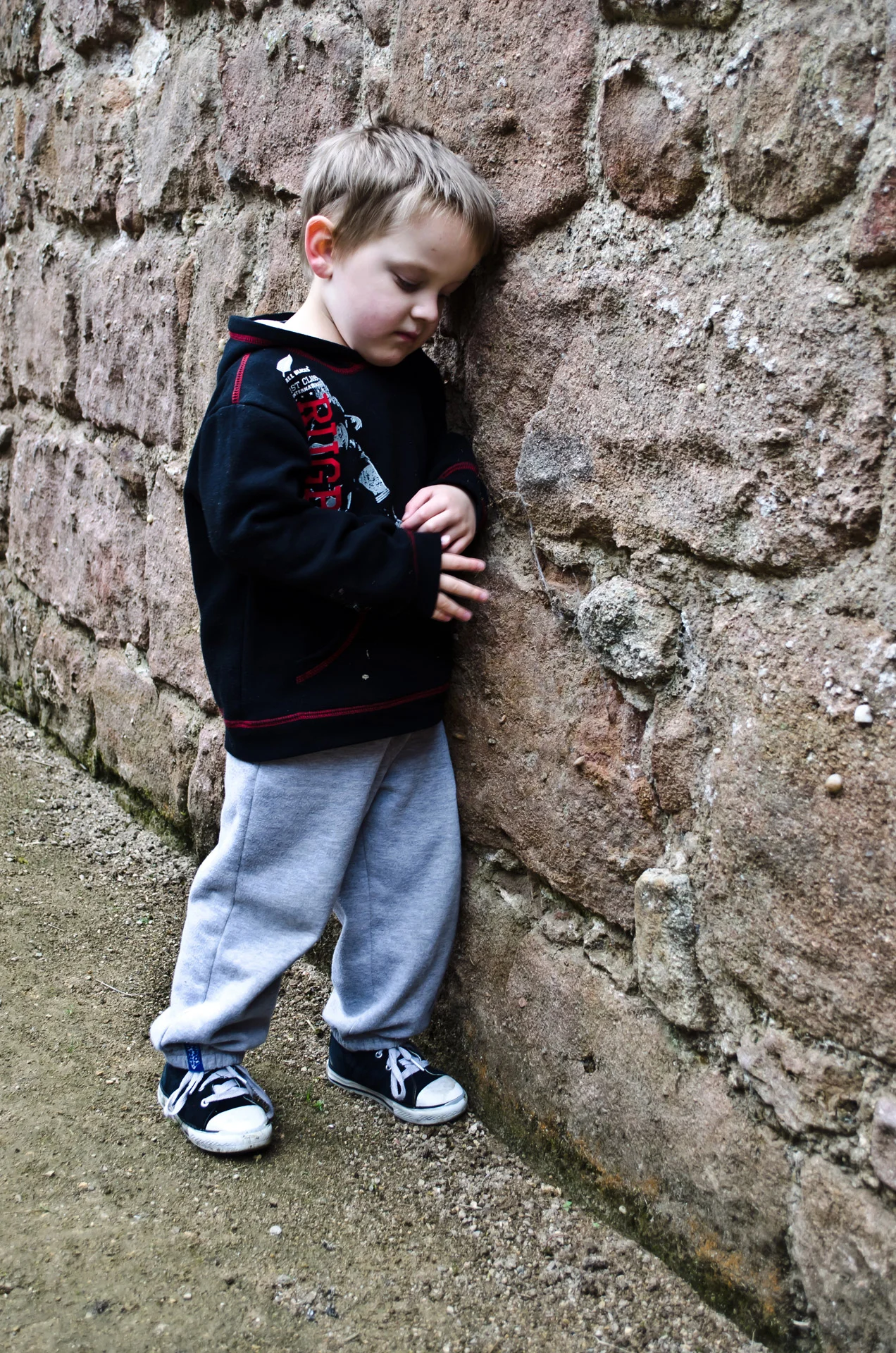
You Believe That?
Last week I encountered two people saying virtually the same comment to me, a variation of "I'm not smart."
In their unique ways, they were announcing that they didn't feel intelligent or school wise. After each of these confessions, I found myself chafing against their words.
Why?
Because it wasn't true.
Both of these people are incredibly intelligent in a variety of ways. They have lead successful lives, run businesses, raised children, have life partners just to name a few accomplishments.

Last week I encountered two people saying virtually the same comment to me, a variation of "I'm not smart."
In their unique ways, they were announcing that they didn't feel intelligent or school wise. After each of these confessions, I found myself chafing against their words.
Why?
Because it wasn't true.
Both of these people are incredibly intelligent in a variety of ways. They have lead successful lives, run businesses, raised children, have life partners just to name a few accomplishments.
Why is it that they don't see what I see?
Because somewhere, probably a long time ago, likely in a classroom setting, they both were made to feel stupid, inadequate or lacking. And when this happened, they both independently latched onto these statements and chose to believe they were true.
That those negative words did indeed describe them.
Perhaps once, a long time ago, each of them wasn't ready to learn. Sometimes our brains don't develop at the regular trajectory because of a physical injury, emotional trauma or circumstantial crisis.
As I used to say all the time to parents, "when stress comes in the door, learning goes out the window."
Even for me as a young girl, I was bounced around to so many schools, I operated under a fair amount of stress which resulted in me feeling that I wasn't as "savvy" or able as some of my peer group. But that doesn't make me stupid.
When do we stop believing these limitations about ourselves that other people have put on us?
Like I said to one of these people last week:
"Its' time to drop this story. It's no longer true for you."
In a way, by clinging to the story, we give ourselves an excuse not to show up, try our best, be all in. It's like we have an instant out.
We justify it with thoughts or words like: "Well, you know I'm not that smart anyway. I'll never be able to retain all the information."
Wrong!
By the time we're adults, we have to recognize that the ONLY person limiting us is US.
We do this with what we believe is true for us.
When we can start to see that these old, outdated stories are not us, we can honor the growth we've made, the new awareness and knowledge we've attained and the people we are now.
This requires us to see ourselves through a new lens of success and capability, of greatness and beauty.
Is there a story you're telling yourself that's limiting you?
What are you ready to drop?
Share your story with us!
Leave a comment below.
And get this blog straight to your inbox!
Sign up today.